Want to run through the streets of Holland at Tulip Time? There is a run for you. (Supplied)
WKTV Staff
The Tulip Time Festival has announced the opening of online registration and details for the Tulip Time Run on Saturday, May 6, at Kollen Park in Holland. The run — with a 5K, 10K and kids fun run — gives the opportunity to run or walk through Holland’s tulip-lined streets.
All run participants will be issued a race bib, a complimentary gear check tag and a free beverage ticket, redeemable at the after-party at Boatwerks Waterfront Restaurant. Registering before April 2 ensures runners a participant shirt and a personalized race bib featuring their name.
The 5K will start at 8 a.m. and the 10K will start at 9 a.m. Both races will start at the corner of 12th Street and Kollen Park Drive and finish on 12th Street in the West-bound lane. Awards will be given to the top three finishers in each age division (male and female). The kids’ run will start at 9:15am at the playground in Kollen Park.
Registration for the 5K and/or 10K is $30, $35 after Feb. 28 and $40 on race day; registration for the kids’ run is $10 through May 3 and $15 on race day. A discount of $2 off each registration is available for families of three to five people. Registration is available online at tulip tuliptime.com/run
When Metro Health moved to Wyoming about nine years ago, it was tasked with not being just a boutique hospital in a suburban community, but a catalysis to bring quality care to not only its immediate community of Wyoming but the West Michigan region. With Metro Health’s affiliation with the University of Michigan Health System, Metro Health President and Chief Executive Officer Michael Faas believes the hospital has achieved that.
Metro Health President and Chief Executive Officer Mike Faas
“We were faced with trying to clinically integrate and grow while at the same time maintain services and infrastructure that we have,” Faas said during a recent interview about the new affiliation between Metro Health and U-M. “There is having more importance to the community, more market share, more money and new buildings and as these issues kept circling we knew that we needed to get a lot bigger and more significant for some of these things to happen.”
To achieve this, according to Faas, Metro Health started exploring the possibility of a partnership with another institution. Metro Health officials first went to non-profit U-M as the hospital had formed a relationship with U-M providing radiation oncology. However, Metro Health ended up courting a few other possibilities including the for-profit Tennessee-based Community Health Systems. The deal with Community Health Systems did not happen and Metro Health officials began to look at other possibilities.
“We knew one day it could happen,” Faas said of Metro Health’s affiliation with U-M. “We had favored that one the most because we felt it was the best match. Good things came to fruition for all the right reasons.”
In fact the affiliation between U-M and Metro Health is not that unusual especially as hospital officials deal with the many challenges in health care from reform efforts to becoming more clinically integrated. Just recently, Grinnell Regional Medical Center in Toledo announced negotiations with UnityPoint Health Des Moines and University of Iowa Health Care. Several hospitals in the Upper Peninsula have similar partnerships.
While Wyoming City officials have not had any meetings with Metro Health or U-M on the affiliation, City Manager Curtis Holt said he sees it being a great thing for the community, especially since health care is one of the fastest growing industries.
“I have said ever since Metro Health came to Wyoming that it is a great addition to the City of Wyoming,” Holt said. “They do a great job. I think they are beneficial to our community and to our residents which is the most important thing.”
Holt said he is cautious over the dollar value that the new affiliation will bring to the city since it is a non-profit venture and collection from this type of development is limited. The city could benefit from the spin off ventures such as restaurants, stores, commercial businesses and other small industries that develop from the affiliation, he said, adding that he is looking forward to meeting with Metro Health officials in the coming weeks to discuss Metro Health/U-M’s plans for the future.
“I believe that [Metro Health] has been so focused on getting this affiliation in place, and now that it is, they can start to focus on how they are going to make a difference in the community,” Holt said.
Which is exactly correct according to Faas. Now that the affiliation is in place, plans will begin to move forward on various projects which will include the building up of the Metro Health Village. However, the biggest change area residents will see is that for the first time in awhile, there will be a real choice in health care services in West Michigan, Faas said.
“U-M has been providing health care to all the residents of Michigan for more than a century,” Faas said. “Now with this relationship with Metro Health, U-M health care is more accessible, more convenient, and less expensive then everyone driving to Ann Arbor.”
The Kent County Senior Millage (KCSM) was passed in 1998 as a way to help older adults live in their own homes. Now in its 19th year, the millage has grown to offer more than 51 unique services, with three new services starting in January 2017; Handy Helen, Community Food Club, and Dental Services.
The KCSM services are available to Kent County residents age 60 and over and may require individuals to pay part of the cost (based on their income). The three new services below will help meet the diverse needs of a growing senior population.
Community Food Club: Some older adults with low incomes have difficulty affording groceries; especially fresh fruit and vegetables. Others without the means to afford food simply skip meals and go without. The Community Food Club (CFC) is designed to help meet nutritional needs, reduce the use of emergency food resources and make sure people are not going hungry. Individuals pay a small membership fee to participate in the CFC and are then given a set number of points for the month. Members can shop at the CFC and spend their points for whatever grocery items they choose such as milk, eggs, fresh produce, meats and more. The CFC is set up like a regular grocery store and includes a check out where items are added up and the points spent are deducted from their monthly total. Members can come as many times as they would like in a month until their points are gone. For more information including how to become a CFC member, contact Community Food Club of Greater Grand Rapids at 616-288-5550.
Dental Care: Regular dental care can be expensive, causing older adults without coverage to delay or ignore recommended dental hygiene. When not dealt with, dental issues often affect the whole body and can cause additional complications and health issues. Exalta Health (formerly Health Intervention Services) will be providing dental care to eligible older adults. Services offered will include general dentistry such as teeth cleaning, examination, x-rays, fillings and tooth removals, root canal treatment to diminish pain or eliminate infection of the tooth or jawbone and dentures and partials for those needing to replace missing teeth. For more information, including eligibility requirements and appointment scheduling, contact Exalta Health at 616-988-4301.
Handy Helen: Due to traditional gender roles some older women may have relied on their husband to be the handyman around the house; fixing the leaky faucets and keeping up with the home maintenance. But, what happens when their husbands are not able to do these chores due to health or memory issues and the role of wife now also includes caregiver? For some women, the added task of home repairs becomes an additional stress and expense. Handy Helen is a class designed to empower female caregivers (age 60 and over) with the skills they need to tackle minor home maintenance projects. Each interactive series will include instruction in minor plumbing, electrical and seasonal home maintenance. Participants will also learn how to use the more common tools in the toolbox and who to call when you can’t fix it yourself. Classes are offered by Home Repair Services. For more information, including class schedules and registration information, call Home Repair Service at 616-241-2601.
Each year the KCSM holds an open proposal process and proposals are reviewed by the Millage Review Committee, a group consisting of Kent County Commissioners and older adults that live in Kent County. Agencies whose proposals are approved then make a presentation to the committee in the fall. Funding recommendations for KCSM services is determined by the Millage Review Committee and approved by the Kent County Board of Commissioners. This year the committee and the Commissioners approved adding the three new services above to an already robust list of services ranging from in-home care to healthy aging programs. Funding for the services come from taxes paid by Kent County homeowners and is anticipated to be over $10.2 million for 2017.
Area Agency on Aging of Western Michigan administers the KCSM, including a full list of KCSM services, visit www.aaawm.org/senior_millage.
Effective today, Nov. 4, Metro Health’s Heart and Vascular Holland office will have a new home.
The new office location, just around the corner from the previous site, signals the success of the practice which opened in February 2014.
The new office is located at 904 S. Washington, Suite 120 in Holland and offer the practice room for future growth of services to meet patient needs.
Dr. Rony Gorges is the lead physician at the Heart and Vascular Holland practice.
Metro Heart & Vascular Holland offers cardiovascular appointments, as well as diagnostic testing for cardiovascular disease, including peripheral arterial disease, or PAD. PAD is a common circulatory problem in which narrowed arteries block the blood flow to arms and legs, causing numbness, leg pain, tissue damage and leading to amputation.
The hospital has developed a nationally recognized specialty in the treatment of PAD and amputation prevention, last year treating scores of patients from around Michigan, across the country and throughout the world. Led by Dr. Jihad Mustapha, Metro Heart & Vascular physicians utilize leading-edge technology to clear blockages and restore circulation in even the most challenging of cases.
Mike Faas
“We are listening to our patients on the Lakeshore,” said Mike Faas, president and CEO of Metro Health. “They want to receive health services near their home. Deciding where to locate services is a patient-driven decision designed to make it easy and convenient to experience care.
“Having Heart and Vascular practices outside the hospital has also been a satisfier for patients. As word spreads about the successes our physicians have had in treating cardiovascular conditions, we have seen increasing demand for our services. Whenever possible, we want patients to have choice in where they are seen.”
Metro Health & Vascular provides a coordinated approach to the treatment of cardiovascular diseases, working with patients, coordinating care with their family physician and other specialists and educating family members.
Besides Holland, other satellite offices are located in Allegan, downtown Grand Rapids, Greenville and Sheridan.
The struggle is real: Getting your child to eat just a few bites of his vegetables can be like pulling teeth. Frustrated? Well, here are five ways you can trick your kid into eating vegetables:
Blend them into a smoothie. Add some kale into a strawberry and banana smoothie. Your child will never know the difference.
Sneak them into baked goods. There are many baked treats that you can sneak nutritious veggies in. Check out this recipe for green zucchini muffins!
Take your kids grocery shopping with you. Allow them to pick out their own vegetables. It will get them more excited to try them.
Serve food your child already likes. Try adding peas or other vegetables into macaroni and cheese. This is an easy way to ease your children into vegetables. And who doesn’t like vegetables covered in melted cheese?
When in doubt, turn them into soup. You can make vegetables savory and delicious by adding them to a stew or soup.
There’s much more than just delicious vegetables and beautiful flowers to be gained by gardening — it can also improve your mental and physical well-being.
And although gardening season is just about over, it helps to know that there are three entities in the area that are actively involved in providing food to the community as well as patients and hospital staff.
Founded in 2014 and measuring approximately 1,380-sq.-ft. divided into 11 raised garden beds, the Community Garden is a partnership between United Church Outreach Ministry (UCOM),Metro Heath Hospital and the City of Wyoming. Ten of the beds measure 4×8’ and one bed is raised up on legs, positioned near the front gate of the garden allowing mobility impaired gardeners access to fresh, healthy produce.
The Community Garden’s goal is to introduce fresh, organic produce into gardeners’ and their families’ diets. Over 150 lbs of tomatoes, radishes, lettuces, broccoli, collard greens, kale, spinach, carrots and beets are donated to UCOM’s food pantry each year, with much more produced and shared between gardeners, friends and family.
In addition to fighting hunger in the Wyoming community, UCOM helps neighbors build healthy lifestyles beginning with the food they eat. The organization operates one of the largest pantries in the city, Client Choice Food Pantry, located at 1311 Chicago Dr. SW in Wyoming.
People living in the UCOM service area are able to access the pantry once a month and receive a three-day emergency supply of healthful and delicious food. Committed to personal empowerment, UCOM has encouraged people to select their own food for over seven years.
Starting October 1st, 2016, the food pantry is open to those in need on Mondays from 9 am-12 pm, Tuesdays and Wednesdays from 9 am-3 pm, and Thursdays from 2-8 pm. Office hours are Monday through Thursday 9 am-5 pm.
Metro Health Garden works with its culinary team, master gardeners and community volunteers to grow fresh fruits and vegetables to be used in Metro Café’s patient and staff meals. The garden boasts an approximately 4,000-sq.-ft. area of rich, productive soil located east of the Hospital.
After being harvested, the produce is weighed and recorded. This information is used to track yields and productivity, as well as food costs saved by producing food on campus.
“Gardening helps relieve stress and improve mental health,” said Dr. Diana Dillman of Metro Health Jenison. “It is also a great way to get outside and get active. And of course the fresh fruits and vegetables are a healthy, tasty result of all that digging in the dirt.”
All-organic seeds and transplants are used to ensure that the produce is of peak flavor, nutritional value and integrity. A drip irrigation system allows efficient application of water, greatly reducing water waste.
Cooking classes, community presentations, and tours of the garden are open to the public and staff of Metro Health Hospital. Visit the Events Calendar or like us on Facebook for the most up-to-date information. If you are interested in volunteering time in the garden, please contact volunteer services.
The garden also offers educational opportunities for youth and community members. The teaching garden is located behind Metro Health Hospital, in Wyoming. To register for these classes, or any of the other free or low-cost Live Healthy programs, visit Metrohealth.net or call 616.252.7117.
The Metro Health Garden is managed by Metro Health’s Culinary Team and Master Gardeners.
Incorporating green living practices into your daily life may be easier (and more fun) than you think. Here are just a few of Metro Health’s favorite ideas:
Go Vegetarian Once a Week (Meatless Mondays)
One less meat-based meal a week helps the planet and your diet. For example: It requires 2,500 gallons of water to produce one pound of beef. You will also also save some trees. For each hamburger that originated from animals raised on rain forest land, approximately 55 square feet of forest have been destroyed. Find some meatless recipes featured by our Farm Markets and learn how to make your favorite recipes more heart healthy.
Rethink Bottled Water
Nearly 90% of plastic water bottles are not recycled, instead taking thousands of years to decompose. Buy a reusable container and fill it with tap water, a great choice for the environment, your wallet and possibly your health. The EPA’s standards for tap water are more stringent than the FDA’s standards for bottled water.
Make a Rain Barrel
Do your part to conserve water by taking a Rain Barrel Workshop. Rain barrels are effective in storm water usage and water quality. They can even help lower your water bill during those long, hot summer months.
Buy Local
Consider the amount of pollution created to get your food from the farm to your table. Whenever possible, buy from local farmers or farmers’ markets, supporting your local economy and reducing the amount of greenhouse gas created when products are flown or trucked in. Click here to learn about the Metro Health Farm Markets.
Plant a Garden
Planting a garden is a great way to enjoy fresh produce at home! We are proud to supply our Metro Café with fresh produce and herbs from the Metro Health Garden. We also partner with the United Church Outreach Ministry (UCOM) and the City of Wyoming to provide a Community Garden in a neighborhood where there is great need and limited access to healthy food. Watch for information about our gardens and tips on making your own garden come to life.
Community Clean-Up Day
Metro Health Village is home to a number of walking and biking trails and Frog Hollow Park, making it a great escape for the whole family. So every spring, we host a day to spruce up Metro Health Village, making it ready for another season of family fun. Please join us – this may be the most fun you ever had picking up trash! (High school students can also earn Community Service Hours by participating.) Check Metro Health’s Live Healthy Calendar to learn more.
Metro Health has received approval from the state of Michigan to perform Elective Percutaneous Coronary Intervention, or PCI, services in its cardiac catheterization laboratories at Metro Health Hospital.
Metro announced today that it has received approval from the Michigan Department of Health and Human Services to perform this life-saving service, restoring blood flow through heart vessels by using catheters with balloons and stents, without on-site Open Heart Surgery (OHS) services. The decision clears the way for Metro Health to expand services for its patients throughout West Michigan.
For more than a decade, Metro Health physicians have been performing the procedure on the most critical patients, those suffering a heart attack when they enter the hospital. Now, Metro Health will be able to offer this service to its patients who enter the hospital with chest pain or other conditions prompting diagnostic procedures which lead to elective, or scheduled non-emergent, PCI.
Previously, Metro Health patients requiring elective PCI had to be transferred to facilities that also offered back-up OHS services. A change in state regulations, prompted by quality data showing that PCI programs without OHS services in other states and Europe have quality indicators as high as those programs with OHS services and acceptance of the practice by the American College of Cardiology, made it possible for MDHHS to approve the Certificate of Need, or CON, request.
“Being able to offer elective PCI to our patients without transferring them to other institutions is a win for patient care and something patients have asked for,” said Paul Kovack, a cardiologist at Metro Heart and Vascular. “This decision will help us keep patients in their medical home and provides choice to patients. Additionally, it will cut down on unnecessary duplicate testing, costly ambulance transfers and delays in care, making care more timely and less costly.”
The MDHHS decision comes after a long effort to update Michigan PCI regulations to mirror those of other states and countries that have long allowed elective PCI without OHS backup.
“The CON process is valuable in holding down costs for Michigan residents, but it can be challenging to update regulations to reflect new medical research,” said Michael Faas, president and CEO of Metro Health. “It is a delicate balancing act to keep up with medical advances and hold down healthcare costs. We are pleased with this patient-driven decision and know that Metro Health patients will benefit from this update and our ability to provide the services they need, when they need them.”
PCI, also known as angioplasty, is a non-surgical procedure that uses a thin flexible tube, or catheter, to access blood vessels in the heart which are narrowed or blocked by plaque buildup, or atherosclerosis, and reopen them. The procedure is performed by an interventional cardiologist who gains access to blood vessels in the heart through the femoral artery in the groin or the radial artery in the wrist. A small balloon is then inflated to push away the plaque, thus opening the blood vessel for blood flow, and a stent can be placed to keep the plaque pushed to the walls of the blood vessel, thus maintaining the blood vessel open for blood flow.
According to the Centers for Disease Control and Prevention, heart disease is the leading cause of death in the United States, accounting for more than 600,000 deaths each year.
The PCI procedure lasts from 30 minutes to several hours and provides patients with a number of benefits:
On Saturday, Oct. 22, from 10 a.m. – 2 p.m., the Kentwood Police Department and the Drug Enforcement Administration (DEA) will give the public its 12th opportunity in six years to prevent pill abuse and theft by ridding their homes of potentially dangerous expired, unused, and unwanted prescription drugs. Bring your pills for disposal to Kentwood Police Department at 4742 Walma Ave SE, Kentwood. The DEA cannot accept liquids, needles or sharp objects, only pills or patches. The service is free and anonymous, no questions asked.
For those in the Wyoming area, Metro Health Hospital also will be hosting a Take Back program Saturday, Oct. 22, from 10 a.m. – 2 p.m. at its lobby, 590 Byron Center Ave. SW. The hospital will be accepting mercury thermometers as well. For those who bring in a thermometer, you will receive a digital one while supplies last. For more information on the Metro Health Take Back, visit metrohealt.net.
Last April, Americans turned in 447 tons (over 893,000 pounds) of prescription drugs at almost 5,400 sites operated by the DEA and more than 4,200 of its state and local law enforcement partners. Overall, in its 11 previous Take Back events, DEA and its partners have taken in over 6.4 million pounds—about 3,200 tons—of pills.
This initiative addresses a vital public safety and public health issue. Medicines that languish in home cabinets are highly susceptible to diversion, misuse, and abuse. Rates of prescription drug abuse in the U.S. are alarmingly high, as are the number of accidental poisonings and overdoses due to these drugs. Studies show that a majority of abused prescription drugs are obtained from family and friends, including from the home medicine cabinet. In addition, Americans are now advised that their usual methods for disposing of unused medicines—flushing them down the toilet or throwing them in the trash—both pose potential safety and health hazards.
For more information on the about the disposal of prescription and over-the-counter drugs or about the Kentwood Take Back Day event, contact Vicki Highland at 616-656-6571.
Recyclekent.org offers a number of resources on recycling for a variety materials such as medical equipment and supplies such as needles.
Needles: The recyclekent.org website recently added a program called Safe Sharps, where residents can sign up at the Kent County Health Department. For more information, visit recyclekent.org/material/sharps/. The Michigan Department of Environmental Quality (DEQ) also has a list places to take needles. Click here for the list.
Medical equipment: Recyclekent.org has a list of places that either recycle or dispose of the equipment or you can donate medical equipment to them. For a complete list, click here. One place that does take medical equipment is Spring Lake’s International Aid. For more about that organization, visit internationalaid.org.
Eye glasses: The Grand Rapids Lions Club has several locations where you can drop off old eyeglasses. For a complete list, click here.
Cold feet. Cramping in the legs. Legs falling asleep. These are all signs of peripheral artery disease or PAD.
This Saturday, Oct. 1, Metro Health Hospital will be hosting free screenings for PAD. The screenings are painless, usually involving taking a person’s blood pressure in the arms and ankles, with the screenings taking about 30 minutes. Screenings are available from 8 a.m. to 12:30 p.m. at Metro Health Hospital, 5900 Byron Center Ave. SW. Space is limited and registration is required. To register call, 616-242-4880 or visit metrohealth.net/pad.
“Peripheral artery disease is where there is blockage and plaque buildup in the arteries that supply blood to the legs,” said Dr. Fadi Saab, who specializes in cardiovascular disease at Metro Health, during a recent interview. Saab said the same can happen in the arteries to the heart or brain with people having PAD being a higher risk for cardiovascular disease.
People who have PAD usually have other health issues such as hypertension, diabetes, or high cholesterol, Saab said. Those at-risk include those over 50 with diabetes, those who are obese or those who have a family history of heart disease. High blood pressure, high cholesterol, smoking, other circulatory problems and a family history of PAD also put patients at advanced risk. Those who are African-American and Native-American also are at a higher risk.
The free PAD screenings can help high-risk patients learn about the disease early enough so they can make lifestyle changes to help their circulatory system. The goal is to detect issues early enough in patients to reduce the risk of amputation.
Anyone experiencing leg cramping or pain with walking or leg pain at rest should get screened. Slow-healing wounds or sores on legs or feet also call for a screening.
Results will be provided to the participant to take back to their physician for further review. For more information, visit the Metro Health website.
Metro Health Hospital has been recognized for its exceptional care and treatment of patients with four awards from The Women’s Choice Awards.
The recognition includes the following honors:
One of America’s 100 Best Hospitals for Patient Experience as judged by scores derived by the Centers for Medicare and Medicaid Services, or CMS, in the Hospital Consumer Assessment of Healthcare Providers and Systems, or HCAHPS, database on questions of patient’s willingness to recommend, doctor and nurse communications, staff help, pain management, cleanliness and explanation of medications.
One of America’s Best Hospitals for Emergency Care as judged by Emergency Department, or ED, performance measures reported by CMS for average time before outpatients with chest pain or possible heart attack receive an ECG, average time spent in the ED before being admitted, average time in the ED before being seen by a healthcare professional, percentage of patients who came to the ED with stroke symptoms who received brain scan results within 45 minutes of arrival and more.
One of America’s Best Hospitals for Obstetrics as judged by data reported in HCAHPS surveys and additional consideration for ranking above the national average for patient safety, low rates of early elective deliveries and more.
One of America’s Best Hospitals for Orthopedics as judged by services offered, results from HCAHPS surveys for patient recommendations and post-operative recovery instructions and rates of surgical complications and infections.
Women’s Choice Awards are unique in that they focus on evidence-based measures of issues that matter most to women. Scores are generated using data hospitals participating with CMS report through their HCAHPS surveys.
“Women are the Chief Medical Officer for the household, making upwards of 90 percent of all healthcare decisions. Considering she bears the responsibility of making these incredibly important decisions, the Women’s Choice Award offers a trusted solution by identifying the hospitals that have proven superior patient experience. Finally, a source that shares her values and priorities is available,” said Delia Passi, CEO and founder of the Women’s Choice Award.
The list of award winners, including Metro Health Hospital, represents hospitals that create an extraordinary patient experience for women and their families by providing exceptional care.
“We are pleased to be rated among the nation’s top performing hospitals in these four important categories,” said Mike Faas, president and CEO of Metro Health. “We want to create an environment where every member of the family is welcome and can receive the highest quality care and experience. Knowing that family decision makers recognize our efforts helps us know we are meeting the needs of our community.”
Metro Health Hospital has appointed Tom Heetderks as vice president of human resources, Thomas Mulder as vice president of practice administration for the Metro Health Medical Group, Penny DeVries as director of marketing and Laura Smith as director of its cancer center.
Heetderks brings more than 20 years of human resources leadership to his new role, which includes implementing strategic human resource initiatives and leading the day-to-day operations of the human resources team. He will lead the organization’s focus on employee relations, recruitment and retention, management and staff development, HR technology and innovation, and compensation and benefit programs.
Before joining Metro, Heetderks served as the vice president of human resources at ResCare in Louisville, Ky. Earlier, he was vice president, strategic accounts with Kenexa/IBM, where he was the lead human capital consultant on strategic HR/talent initiatives with several Fortune 100 companies. Also, Heetderks was a human resources executive with PepsiCo/Yum! Brands for 15 years.
Thomas Mulder
Heetderks holds a Ph.D. in Industrial and Organizational Psychology from Wayne State University and a Bachelor of Arts from Calvin College. He has been published in the Journal of Applied Psychology, Advances in Industrial and Labor Relations and the Journal of Labor Research, in addition to co-authoring a book on compensation structures.
Mulder is also a healthcare veteran bringing more than 15 years of experience to his role. As vice president and practice administrator of the Metro Health Medical Group, Mulder is responsible for maintaining relationships with physicians, the hospital and ancillary providers. He is also responsible for the day-to-day operations of the Metro Health Medical Group, including quality improvement activities.
Most recently, Mulder served as the director of operations for the Emory Clinic in Atlanta, Ga. There he was the regional administrator and focused on business development, practice evaluation and acquisition, physician recruitment and organizational alignment with physicians, ancillary services, acute care and community stakeholders. Also, Mulder has held leadership positions with St. Joseph Heritage Healthcare and Humboldt Medical Specialists in Calif. and Centura Health in Denver, Colo.
He holds a Master of Business Administration in health administration from the University of Colorado and a Bachelor of Arts in business administration and Spanish from Calvin College in Grand Rapids.
“We are very pleased to welcome both Tom Heetderks and Thomas Mulder home to their West Michigan roots,” said Mike Faas, president and CEO of Metro Health. “Their expertise and experience will be a great asset as we work to position Metro Health for an exciting and successful future.”
DeVries joins Metro Health as director of marketing after having owned and operated her own marketing agency and consulting firm for more than 20 years. With a client list that included a variety of Fortune 500 clients, DeVries is known for bringing both creative and business thinking to problem solving and strategy development.
In the marketing director role, DeVries will be responsible for developing, implementing and monitoring ongoing strategic marketing plans for key service lines and organizational initiatives. She will also be responsible for website development and physician marketing.
DeVries studied marketing, merchandising, film and video at Grand Valley State University and Ferris State University. She is a native of Wyoming and resides in West Olive with her daughter.
Smith will serve as the new director at the Cancer Center at Metro Health Village. In this role, she will manage the clinical and financial operations of the cancer center. She will also serve as a liaison between physicians, staff and Board of Managers of the West Michigan Radiation Oncology, LLC, a joint venture between Metro Health and University of Michigan Health System Division of Radiation Oncology.
Smith brings nearly 10 years of healthcare operations leadership and consulting experience with her. Most recently she managed two outpatient cancer centers that saw more than 100,000 patients per year at Northwestern Medicine in Chicago, Ill.
Smith holds a Master of Technology from Eastern Illinois University and a Bachelor of Science from Ferris State University. She is originally from southern Michigan and resides in Grand Rapids.
“I am excited to welcome these dynamic professionals to the Metro Health team and to our community,” said Faas. “This is an exciting time to be part of Metro Health, and I am sure they will help lead us forward.”
Are you 60 or older? Need a ride to a medical appointment or other local destination?
The Rapid’s Go!Bus TicketProgram offers a door-to-door transportation service for seniors age 65+ and persons with disabilities who cannot ride a fixed-route bus.
GO!Bus is a shared ride, advanced reservation, ADA paratransit service. GO!Bus riders share trips traveling in the same direction at the same time. Trips are scheduled without regard to the purpose of the trip. The Rapid also provides GO!Bus service to non-disabled seniors (NDS) aged 65 and older.
Non-disabled senior citizens must present proof of age (i.e., copy of driver’s license, birth certificate, etc.) with their completed application. To use the service due to disability, you must complete an ADA application AND ‘Professional Verification of Functional Disability’ form.
Once you’re approved, the GO!Bus provides service in the same area and at the same days and times as The Rapid fixed-route buses. Go!Bus is also available to companions of qualified riders, personal care attendants (PCAs) and service animals. To ensure there is a seat available for companions, be sure to notify GO!Bus that you will have someone accompanying you when you make your reservation. Read the Go!Bus rider’s guide here.
Reduced-price tickets for the Inter-urban Transit Partnership (ITP) Go!Bus service are available to Kent County residents who are approved Go!Bus riders, thanks to funding by the Area Agency on Aging of Western Michigan. If you are 60 or older, live in Kent County and are an approved Go!Bus rider, you may apply to purchase the discounted tickets at the Wyoming Senior Center. Please call the Wyoming Senior Center at 616.530.3190 or email mywsc@wyomingmi.gov. More info about Go!Bus here.
Amongst all the medical facilities and providers in the greater Grand Rapids area, Metro Health Corporation can now be considered one of the ‘Leaders and Best’ after recently announcing their intent to join the University of Michigan Health System.
Both organizations signed a letter of intent to bring Metro Health’s hospital and network of doctors, nurses and other providers together with U-M (health system), expanding this academic medical center’s care in western Michigan.
“The U-M Health System is a top-ranked academic medical center with a world-class medical school, extraordinary hospitals and clinics, and groundbreaking research facilities focused on moving cutting edge discovery to patients’ bedsides in order to improve lives,” said Marschall Runge, M.D., Ph.D., executive vice president of medical affairs and Dean of the U-M Medical School. “We are excited about the opportunity to collaborate with Metro Health’s expert physicians and health care professionals in stepped up ways.”
While Metro Health already partners with U-M for clinical services like radiation oncology, this affiliation agreement gives U-M its first hospital near Grand Rapids.
Michael Faas, President of Metro Health, added that joining with the U-M clinical enterprise will bring additional options for complex care to Metro Health patients and to the greater Grand Rapids community.
“It is no secret that U-M has some of the best providers in the state and country,” said Faas. “By joining the ‘leaders and best’ we can build on our existing expertise and provide our patients and community with enhanced access to specialized health care services, scientific discovery and advanced technology.”
The letter of intent signed by both organizations is not a sale and no layoffs are expected at either health system. Also not expected, a U-M satellite medical campus like Michigan State University has with Spectrum Health.
“There are currently no plans for a medical school to come as a result of the partnership,” said Metro Health spokeswoman Ellen Bristol.
A $115,000 grant may have given the Kentwood Fire Department an edge in saving a life.
The LUCAS Chest Compression System
The Kentwood Fire Department recently received a big hand with the help of LUCAS.
The 2014 FEMA Assistance to Firefighter grant – which totaled $114,949 – was used to purchase four LUCAS chest compression devices. These devices are designed to allow CPR to be done without human help, outside the first initial 15 – 20 seconds it take to set up the device
“The LUCAS devices will be a great asset to the Kentwood Fire Department and the community,” said Kentwood Fire Department Deputy Chief Greg Ginebaugh. “Having the LUCAS CPR device allows more time for airways to be made on the patient, as well as starting IV’s and completing all other needs on the patient.”
The idea for the CPR assisted mechanical device derived back in 1991 by Norwegian paramedic Willy Vistung. Years later, the first LUCAS was created and has since progressed throughout the years.
The LUCAS device is used during pre-hospital treatments, in-hospital treatments, and even percutaneous coronary intervention (also known as a PCI, a non-surgical procedure used to open narrow or blocked coronary arteries). LUCAS is equipped with 10 accessories that allow it to work to its full function.
It takes a maximum of 20 seconds to set up and adjust LUCAS correctly on a patient. LUCAS is intended to save time for first responders to help in other areas the patient may need, or lack assistance, during manual CPR.
Manual (human to human) CPR requires first responders to rotate performing CPR on the patient every two minutes. Since CPR can sometimes last up to 30 minutes, the availability of a LUCAS can save precious time for help in other areas.
As of right now the Kentwood Fire Department has four LUCAS devices. There are three fire stations with four primary vehicles and one LUCAS device is placed in each vehicle. There are currently no future plans to receive additional LUCAS devices.
Nothing can be more confusing then the nutrition labels on the cereal box. Is it really healthy or not.
In celebration of the fact that March is Nutrition Month, we gathered a few tips on how to read those nutrition labels from our friends at MetroHealth and the hospital’s Healthy Living Blog.
Understanding what’s in your food can help you maintain a healthy, balanced diet. All of the information on nutrition labels can be overwhelming, so here are five things to look for.
Serving size and servings per container. These are the first things listed on the label. Be aware of how many servings are in a package because an item that seems like a single serving could actually contain two or three, causing you to consume double or triple the amount of calories listed.
Percent Daily Value. This is the percent listed on the right side of the label. Everyone should eat a certain amount of each nutrient daily to stay healthy. This number tells you the fraction of the daily amount that is in one serving. A serving with 5 percent or less is considered low, and 20 percent or more is considered high. You will also notice a footnote at the bottom of the label that states “daily values are based off a 2,000 or 2,500 calorie diet”, so depending on how many calories you consume daily you may need to adjust these amounts.
Total, saturated, and trans fat. Try to limit the amount of saturated and trans fat in your diet because it can increase your risk of heart disease and high cholesterol. The average individual should eat less than 20 grams of saturated fat per day and zero grams of trans fat. Be aware that companies are allowed to list the amount of trans fat as zero grams if it contains less than half a gram per serving. Check the ingredients list for items that contain trans fat, like partially hydrogenated oils.
Cholesterol. The average person should eat less than 300 milligrams per day.
Fiber and Nutrients. Nutrients like fiber, Vitamin A and C, Calcium, and Iron can improve your health, but most people do not consume enough of them daily. Try to eat foods with high amounts of these nutrients to maintain a balanced diet.
If you have any questions or concerns about the amount of nutrients you are eating daily, contact your primary care physician to talk through your diet and daily nutrition goals.
Youth Librarian and workshop presenter Kristen “Kris” Siegel demonstrated how to cook easy, delectable vegan comfort foods this past weekend, proving that opting for vegan does not equate a sacrifice for the palate. The spread included demos and taste samples for brunch, lunch, dinner and dessert, using a multiple-table spread spanning half the width of the Wyoming KDL community room.
“I’m a vegan for animal rights, environmental and health reasons,” said Kris, who has been vegan since 2009. She admitted to the audience that switching to vegan wasn’t easy, initially. It took practice, preparation, trials and errors and a great deal of help from her ever-growing collection of vegan cookbooks. She’s found a routine, formed her own adaptations, and she’s willing to share her tips for cooking vegan with all who seek the knowledge.
Being a taste-tester myself of each of the samples, I’d say it is absolutely time for Kris to write her own cookbook. Who knew the secret ingredient in Tofu Scramble was the sulfury-smelling black salt? Or that pulverized cashews could replace cheese for a creamy, comfort-food pasta? Or that nutritional yeast can be substituted for cheese in thousands of recipes, including Vegan Basil Pasta?
Vegan Pesto
But wait, did I mention there was dessert? A 95-calorie serving of Genius Chocolate-Chip Blondies, created with the unlikely combo of a 15-ounce can of white beans and peanut butter, among other ingredients.
After successfully entrancing us with the kind of spell only expertly prepared comfort food can induce, Kris sent us on our way with an impressive list of her favorite Vegan resources in Grand Rapids (email Kris Siegel at ksiegel@kdl.org for a copy), a brochure highlighting her favorite vegan cookbooks (circulated by KDL!) and eight pages of vegan honorable mention comfort food recipes. The recipes included her own addendums with tips on substitutions and meal leftover uses.
While the Wyoming KDL Vegan Cooking Demo left vegans, omnivores and multi-faceted dabbler like me, dazzled and impressed, Kris finds a comfort of her own in her vegan venture. “It makes me feel like I’m in alignment with my beliefs,” she said.
The workshop was not only impressive and educational, but also incredibly genuine.
Next up for Wyoming KDL: Parent and Child Yoga. Visit the KDL Events Website for more info on upcoming events.
Carrie Bistline is a freelance writer, blogger and marketer with an MFA in Creative Writing. She divides her free time amongst family, work, sports and Jane Austen, and uses what’s left to chip away at her every-growing bucket list.
Joy Tatum said she decided Leap Day is a great day for her daughter’s birthday. “It makes it more special,” she said. “She is unique. So, I’m happy.” (Chris Clark | Spectrum Health Beat)
By Joanne Bailey-Boorsma and Victoria Mullen
The chances of being born on Feb. 29 are about 1 in 1,461. So for brand-spanking-new Grand Rapids-area babies, Skylar Tyler, Luke VanWoerkom, and Riley Ann Schiefla, the odds were in their favor this year.
Just for the record, there are about 187,000 people who were born on what many call Leap Day, Feb. 29, which occurs only once every four years. Although according to astrophysicist Neil deGrasse Tyson, who took to Twitter to debunk Leap Day naming, the day is not about leaping anywhere. “The calendar is simply, and abruptly, catching up with Earth’s orbit,” according to Tyson’s tweet.
We’re fans of Neil’s just like the next guy, but geeze, what a wet blanket.
Actually it takes the earth 365 days, five hours, 48 minutes and 45 seconds to go around the sun. In order to even out the calendar, a day was added every four years. Otherwise our calendar would be off by about 25 years every 100.
The VanWoerkoms said they plan to let Luke choose the day he celebrates his birthday. They might even celebrate two days – from Feb. 28 to March 1- in years when his birthdate is not on the calendar. (Chris Clark | Spectrum Health Beat)
On the plus side, Leap Day babies have an awful lot of freedom with their birthday. Some may choose to strictly adhere to Feb. 29, while others elect to melt in with the crowd with Feb. 28 or March 1. Tatum said her family plans to celebrate Skylar’s birthday on March 1. We’ll have to ask Skylar how she feels about that when she’s old enough to have an opinion. By then, she’ll be either 8 or 2. Or maybe 4 or 1, depending on how precocious she turns out to be.
Aside from these fun facts, what can leaplings look forward to throughout their special lives? Here are but a few of the emotional and psychological benefits:
Leaplings may be buffered from the emotional pressure of aging one year at a time. Instead, they’re reminded only every four years. (But we must take into account petty annoyances, which we address below.)
Some may choose to take advantage of this quirk in time and celebrate their birthdays on both February 28 and March 1 in off-leap years. More cake and ice cream. And maybe more presents, too.
Others make the most of a fabulous thing and pull out all the stops, throwing an amazing party every four years on their real birthdays. One leapling’s parents rented a pony for her when she turned 4 on her first real birthday. And for her 16th birthday, her parents sent a limo to pick her up from school.
Having a Feb. 29 birthday is a great conversation-starter at parties, on first dates, while waiting in line, etc.
Holly Mercer and her husband laughed about the chance they would have a Leap Day baby. “I said, ‘Oh, that will never happen,'” she recalled. “I always go late.” (Chris Clark | Spectrum Health Beat)
On the minus side, there are way too many documented cases of tasteless jokes by well-meaning friends, such as gifts of coloring books and crayons on a leapling’s “real” birthday; being told they look old for their age (e.g., 24, or 6). Etc. In our opinion, these stunts are merely displays of ill-concealed envy.
But life isn’t easy for any of us, and this shouldn’t scare any baby away from being born on Leap Day.
Thankfully, our three little leaplings won’t have to worry about any of these things for a few years. For now, let’s just welcome these little cutie pies into the world and wish them all the best. Being a leapling can be enormous fun, and that’s what we hope for Skylar, Luke and Riley Ann.
No, Virginia. There is no St. Baldrick. Nope, no such saint. But there is a St. Baldrick’s Foundation. And every year, people around the U.S. and in some countries shave their heads to raise awareness and money to fund childhood cancer research.
St. Baldrick’s Foundation is a volunteer-driven charity that funds more in childhood cancer research grants than any organization except the U.S. government. Its name is a combination of “St. Patrick’s Day” and the word, “bald.” People who shave their heads are known as “Shavees.”
Things sure have changed since the event’s inception on March 17, 2000, at Jim Brady’s Bar and Restaurant in New York City. What began as a challenge between three friends has morphed into the world’s largest volunteer-driven fundraiser to benefit childhood cancer research.
Childhood cancer affects thousands of kids and families around the world each year. It’s the #1 disease killer of children in the U.S. The statistics are sobering: Worldwide, a child is diagnosed every three minutes. (Worldwide, 175,000 children are diagnosed with cancer each year.) And in the U.S., more children die of childhood cancer than any other disease—more than AIDS, asthma, cystic fibrosis, congenital anomalies and diabetes combined.
Approximately 1 in 285 kids in the U.S. will be diagnosed with cancer before they turn 20. What’s particularly tragic is that at the average age of 6, kids will lose 71 years of life to cancer. They won’t grow up, marry or have children of their own.
“I can’t wait for the event!” said Patrick Schrager, who is organizing the March 6 event. This will be his eighth year as a Shavee and his third year running an event. His fundraising goal is $15,000. If you’re interested in making a donation on Schrager’s head, go to St. Baldrick’s website or call 888.899.BALD.
Now you won’t be blindsided when you happen across a bunch of bald folks Sunday, March 6, at 84th Street Pub &Grille (8282 Pfeiffer Farms Dr SW, Byron Center). Au contraire. You’ll know that they stand in solidarity with kids being treated for cancer.
With spring just around the corner, a time when many people take advantage of the warmer weather and head outdoors, the City of Wyoming Parks and Recreation Department is hosting the first ever Wyoming Community Health & Wellness Expo Saturday, March 5.
“Spring is a great time to focus on health and wellness,” said Rebecca Rynbrandt, director of community services for the City of Wyoming. “This event was created to inspire the community to prioritize their well-being, and connect them to local resources.
The free event will run from 1 – 3 pm. at the Wyoming Senior Center, 2380 DeHoop Ave. SW. About 20 different businesses, clubs and organizations from the Wyoming area will host tables and hand out samples, coupons, and other goodies. Fitness demonstrations, nutritious snacks, speakers, and health screenings will be some of the activities.
The Wyoming Parks and Recreation Department will be offering a sampling of its fitness programs such as yoga, Zumba and line dancing, said Valarie Mester, a recreation programmer for the department.
“We offer a number of programs through our offerings at the senior center and through our youth and family programs,” Mester said, adding this is a chance for people to try these programs and see what they are like.
Also on hand will be Shape for Life Studios, 1290 36th St. SW. Through its partnership with the recreation department, Shape for Life Studios offers spin classes and personal training. Mester said the studio representatives will be bringing in spin bikes for participants to try. Another recreation department partner is Metro Health, which will be providing health information.
Several other city departments will be at the expo such as the city’s water department, which will be covering the topic of clean water, and both the fire and police departments will be on hand to talk about related health and safety issues.
“It’s really about getting people more active, thinking about the food that they are eating and making sure they are visiting their physicians for regular check ups and screenings,” Mester said.
While a brand new event, Mester said organizers are expecting between 200 to 400 participants this year which is based on the number of current participants in the Parks and Recreation Department’s programs.
“The event is free and open to anyone, both residents and non-residents,” Mester said.
For more about the Wyoming Community Health and Wellness Expo or other programs offered by the City of Wyoming Parks and Recreation Department, visit www.wyomingmi.gov or call 616-530-3164.
Trees are not only beautiful, but they add many other benefits to a community
By: Mike DeWitt
What started as a routine tree removal ended up igniting an inner-passion in Wyoming resident, and former city commissioner, Greg Bryan.
“If the city was smart, they would’ve replaced my tree and this group never would’ve been created,” exclaimed Greg with a tinge of humor in his voice before getting serious once again. “When the city came in and chopped down my trees, I said to myself, ’this has to stop!’ So, I called [city council member] Kent Vanderwood and told him we have to do something.”
That ‘something’ has morphed itself into a group called the ‘Tree Amigos,’ a Wyoming, Michigan citizens committee supporting a vibrant tree canopy. The group started as a Neighborhood Watch campaign to raise awareness of the Gypsy moth blight in the Oriole Park neighborhood.
Now the group has a new focus: to establish a new commission centered on planting trees in the City of Wyoming. Ultimately, the goal is to have Wyoming become the 120th city in Michigan, and part of 3,400 communities nationwide, to become a part of Tree City USA. In order to achieve status as a member of Tree City USA, a community must meet four core standards of sound forestry management: maintaining a tree board or department, having a community tree ordinance, spending at least $2 per capita on urban forestry, and celebrating Arbor Day.
Wyoming’s former tree planting program
A tree planting program is nothing new for Wyoming. In fact, a program existed back in the 70’s to plant and install trees under contract by the township. However, the program ran out of money due to budget cuts and the city hasn’t planted trees since.
“There’s so much beauty and serenity in trees and the wildlife that comes with them. There are also huge health benefits as well,” explained Tree Amigos member Stelle Slootmaker on her decision to help lead the group.
Those benefits? Well, trees are extraordinarily energy-efficient. Amazingly, 100 trees remove 26 tons of CO2 and 300 pounds of pollutants from the air. They provide the net cooling effect of 1,000 air conditioners! The same number of trees can also intercept more than 200,000 gallons of rainwater each year, reducing the need for storm water controls, and providing cleaner water.
On top of reducing costs for the city over time, trees can also add market value to residential real estate. One large tree can add 10 percent.
While trees are helpful from a numbers perspective, they also benefit in ways that are more difficult to measure. Trees build strong ties to neighborhoods and communities. They help promote better psychological well-being and make people happier. More trees are linked to faster hospital recoveries, increased employee productivity, less crime, and reduction in stress and anxiety.
According to one survey, having on average 10 more trees in a city block improved how someone rated their health by a level comparable to an increase in annual personal income of $10,000, moving to a neighborhood with a $10,000 median income, or being seven years younger.
With all the benefits of trees, it seems like a no-brainer for the city to implement a tree planting plan. However, whenever there’s work to be done, there needs to be someone willing to take up the new workload. It’s always easier said than done.
That’s where the Tree Amigos come in. The group has already put in the time and effort to research the steps to make Wyoming a part of Tree City USA. They have also taken the time to present the idea of forming a new commission to the City Council. Most importantly, the Tree Amigos aren’t simply dropping the workload for someone else to pick up. They’re looking to be on the front line as volunteers wherever this effort takes them.
Stelle Slootmaker and Bill Brown addressing the Wyoming City Council
“It’s important to Greg. He represents a neighborhood that needs help with trees,” said Wyoming City Council Member Kent Vanderwood. “It’s the right response for us to get behind as a city. Whatever I can do to help, I’m going to do.”
Two members of the Tree Amigos, Stelle and Arborist Bill Brown, gave a formal presentation at the City Council meeting on February 8. They are meeting with the Council again this Wednesday, February 24, to talk about the next step.
Bill is hoping everyone is on the same page going forward, “I grew up in Wyoming. This is what I do everyday. I understand the importance of trees. It’s something Wyoming needs now.”
Praised as “an excellent documentary… about basic human value” by The New York Times, Angela Peavey’s heartrending documentary, Our Beautiful Secret, follows the remarkable story of her brother Jonathan who has Cerebral Palsy and how he overcomes his medical and social issues through road racing, family, and his faith in God. You can view the docudrama on WKTV Saturday, Feb. 27 at 7 p.m. More information can be found at www.ourbeautifulsecretmovie.com or on the films Facebook page.
Our Beautiful Secret has received international exposure with red carpet premieres in India, Canada, Taiwan, Europe, South Africa, and the United States. The film also beat box office numbers in its one-week run at Celebration Cinema theaters in West Michigan. Beating out major Hollywood movies such as Despicable Me 2, World War Z, and Grown Ups 2 (note: local numbers, not national).Our Beautiful Secret was also featured on Real Sports with ByrantGumble on HBO and seen nationally on PBS. In the last year the film has gone viral in Japan and South Africa. “We’ve gone so viral we’re now providing resources to organizations in Japan and South Africa on topics that are in the film,” Peavey said. “It’s humbling to know how this film has been seen all over the globe, but what really pleases me is the lives that this film has changed through telling Jonathan’s story.”
“People have told me to separate myself from being Jonathan’s sister while directing and producing this film. I don’t agree. Who else could be the best advocate for people living with disabilities than someone who lived right along side a family member struggling with it?” Peavey said. “I was there when my family got turned away from restaurants because of Jonathan’s disability. I was there when Jonathan was mocked and bullied. I was there when doctors told my family Jonathan’s value of life isn’t worth the procedures we wanted for him. I understand and that voice will not be silenced.”
The film stars cast members Scott Goudie (Transformers 2,3, & 4, Real Steel, Machine Gun Preacher, Detroit 1-8-7), Carrie Foster (A Dog for Christmas), Sophie Bolen (A Christmas Bunny, Mary’s Buttons, A Dog for Christmas, Rodeo Girl), Paul Tierney (Thirty Minutes or Less, A Dog for Christmas), Elonzo Peavey (Ralph & Me, The Redeeming Duck), and Elizabeth Foster (A Dog for Christmas, Mary and the Fox). “This is a story that the Peavey family has lived through,” said actor Scott Goudie. “The story is real, the characters are real, the emotion is real, and those tears on your Kleenex – they’re real.”
Our Beautiful Secret was filmed and produced in its entirety throughout West Michigan with production assistance from WKTV.
The Grand Rapids Downtown Market recently announced a once-monthly artisanal Michigan Pop-Up Marketplace, which will focus solely on Michigan-made and grown goods such as home decor, furniture and art as well as locally produced food and farm fresh produce.
The Michigan Pop-Up Marketplace will launch May 22, and take place on the fourth Sunday of every month through September under the Market Shed. Hours will be 10:00 a.m. – 4:00 p.m.
“There is no shortage of creativity in West Michigan, and as we look to build on the mission of the Downtown Market, we are working to create more accessibility to artisan products whether they be in the form of food, art or function,” said Mimi Fritz, president and CEO of the Downtown Market. “By launching the Michigan Pop-Up Marketplace, we can provide a strong platform, resources and opportunities to small artisans and artists who are looking for a low barrier of entry to consumers.”
In addition to the Michigan Pop-Up Marketplace, the Downtown Market will continue to host its other popular programming, including the Vintage Street Market, second Sunday of each month starting May 8, free “Chefs at the Market” and “Kids at the Market” summer activities each week, with the chef demos on Tuesdays and kids activities on Saturdays outside in the Market Shed.
Guests can also enjoy Downtown Market Happy Hour, an outdoor bar featuring cocktails and craft beer selections from 4:00 p.m. — 7:00 p.m. every Wednesday starting in June.
Grand Rapids has become recognized as a destination for makers, artisans and food entrepreneurs. The Grand Rapids Downtown Market is committed to providing resources and opportunities for those entrepreneurs, while ensuring consumers of all background have accessibility to healthy food options. The introduction of the new Michigan Pop-Up Marketplace aligns with this ideal.
Do you shudder at the thought and inconvenience of scheduling a doctor’s appointment to get a flu shot? Even if you’re a fan of seeing the doctor—and personally, I know nobody who is—the waiting times can be long and annoying. Well, there’s another, more convenient alternative: Your friendly neighborhood pharmacist.
And you don’t even need an appointment.
Michigan pharmacists are licensed and trained to administer any vaccination; the most common are flu, pneumonia, shingles and whooping cough. And because pharmacists are required to keep updated on new regulations and methods, they are a reliable source for information and care.
Harboring doubts? These facts should put your mind at ease:
1. Pharmacists are the most accessible health care professionals and community pharmacies typically have flexible hours, including evening hours. If you work nine to five, this is a game-changer. You won’t need to take time off work, and chances are, you live within five miles of the nearest pharmacy, so it should be a short trip.
2. State law permits pharmacists to administer immunizations in the state of Michigan. In addition, the Centers for Disease Control recognizes pharmacists as key contributors to immunization efforts.
3. Your neighborhood pharmacist can give you personalized support. Your immunization records are available for review and he or she can evaluate your requirements based on age, lifestyle, health status, occupation and other health conditions. You’ll get specific recommendations on what you may need. Because recommendations may change annually, you could be behind on something and not realize it.
4. Best of all, you can add the trip for your flu shot to your other regular errands like grocery shopping or picking up prescriptions.
Now there really isn’t any reason for putting off that flu shot!
By the Centers for Disease Control and Prevention (with a little help from Victoria Mullen)
Hey! Happy New Year, Grand Rapids! We start out the year by making it onto yet another top-20 list, but this one’s nothing to brag about. According to the Huffington Post, Grand Rapids ranked 19th among the 20 cities most likely to experience the worst cold and flu season in 2016.
Great job, guys. Way to go. (Well, at least we weren’t #1 but still, among millions of cities, coming in at 19th?)
Both dreaded and dreadful, flu season can begin as early as October, but most of the time it peaks between December and February. Sometimes it can last as late as May. That’s what the Centers for Disease Control and Prevention (CDC) say, and they’re the experts.
Wash your hands!
Suffice it to say that the exact timing and duration of each flu season varies. About half of the U.S. population gets a flu shot each year, but those nasty little viruses can still pack a punch. Flu is responsible for nearly 17 million lost workdays and costs the U.S. more than $87 billion annually. Tens of thousands of people get sick enough to be hospitalized, and thousands die from flu-related illnesses each year in the U.S.
Children are the most likely to become infected with flu, and children younger than five years of age are among those who are at high risk of serious flu complications.
Think about that the next time you go to hug your sweet little petri dish.
How to spread the flu
It’s easy! Just cough, sneeze or merely talk, and those nasty viruses will spread through itty-bitty, teeny-tiny little droplets. Flu also spreads when people touch something with the virus on it and then touch their nose, mouth or eyes.
Here’s the thing: if you’re infected with flu, you can infect others beginning one day before symptoms develop and up to 5-7 days after becoming sick. That’s right, you can spread the flu to someone else before you even know you’re sick (in addition to doing so while you are sick).
Young children, people who are very ill and those with severely compromised immune systems can infect others for longer than 5-7 days.
We needn’t go this far… unless there’s a pandemic.
Symptoms of the flu
How do you know you have the flu? Uh, you’ll feel lousy. Specifically, you may have:
– Fever or feeling feverish (note that not everyone with flu will have a fever)
– Chills
– Cough
– Sore throat
– Runny or stuffy nose
– Muscle or body aches
– Headache
– Fatigue
– Some people may have vomiting and diarrhea, but this is more common in children than in adults
Most people will recover in a few days to less than two weeks, but some may develop complications (such as pneumonia, bronchitis, sinus and ear infections) as a result of the flu, some of which can be life-threatening and even deadly.
The flu can make chronic health problems worse. For example, people with asthma may experience asthma attacks while they have the flu, and people with chronic congestive heart failure may experience worsening of this condition that is triggered by the flu.
When to go to the emergency room:
In children
– Fast breathing or trouble breathing
– Bluish skin color
– Not drinking enough fluids
– Not waking up or not interacting
– Being so irritable that the child does not want to be held
– Flu-like symptoms improve but then return with fever and worse cough
– Fever with a rash
In adults
– Difficulty breathing or shortness of breath
– Pain or pressure in the chest or abdomen
– Sudden dizziness
– Confusion
– Severe or persistent vomiting
– Flu-like symptoms that improve but then return with fever and worse cough
In addition to the signs above, get medical help right away for any infant who has any of these signs:
– Being unable to eat
– Has trouble breathing
– Has no tears when crying
– Significantly fewer wet diapers than normal
Isn’t it pretty? Looks like an art project, but it’s not.
The best way to prevent flu
Get your annual flu shot every fall, say the CDC. Their statistics show that during the 2012-2013 flu season, an estimated 45 percent of the U.S. population got vaccinated and helped to prevent an estimated 6.6 million flu-related illnesses, 3.2 million flu-related mediation visits and 79,000 hospitalizations. (How they came up with these numbers is a mystery, but there you have it.)
People at high risk (such as children younger than 2 years, adults 65 and older, pregnant women, people who have medical conditions) or are very sick (such as those hospitalized because of flu) should get antiviral drugs
The flu vaccine protects against several different flu viruses, providing protection all season long. Flu viruses can change from season to season and immunity declines over time so it is important to get vaccinated each year.
CDC plays a major role in deciding which flu viruses the annual flu vaccine will protect against, so be nice to them.
How to protect yourself from the flu:
Stay away from sick people (not a problem for introverts) and don’t be offended when they stay away from you when you’re sick (tit for tat)
Wash your hands to reduce the spread of germs
If you or your kid is sick with flu, stay home from work or school at least 24 hours after the fever is gone to prevent spreading flu to others (one exception: you may go out to get medical care or for necessities but keep your distance from others). No cheating: The fever should be gone without the use of a fever-reducing medicine.
Cover your nose and mouth with a tissue when you cough or sneeze and throw the tissue in the trash after you use it
Avoid touching your eyes, nose and mouth (germs love to spread this way)
Clean and disinfect surfaces and objects that may be contaminated with germs (such as doorknobs, phones, and computer keyboards/iPads, you get the idea)
If you begin to feel sick while at work, go home as soon as possible
Follow public health advice, which may include information about how to increase distance between people and other measures. (I would think that if we ever reach this point, it wouldn’t hurt to wear a necklace of garlic.)
Fun Fact:
The title of ‘peak month of flu activity’ is bestowed upon the month with the highest percentage of respiratory specimens testing positive for influenza virus infection. February is typically the top peak month, so happy birthday out there to all you Aquarians!
For more information, visit www.cdc.gov, or call 1-800-CDC-INFO.
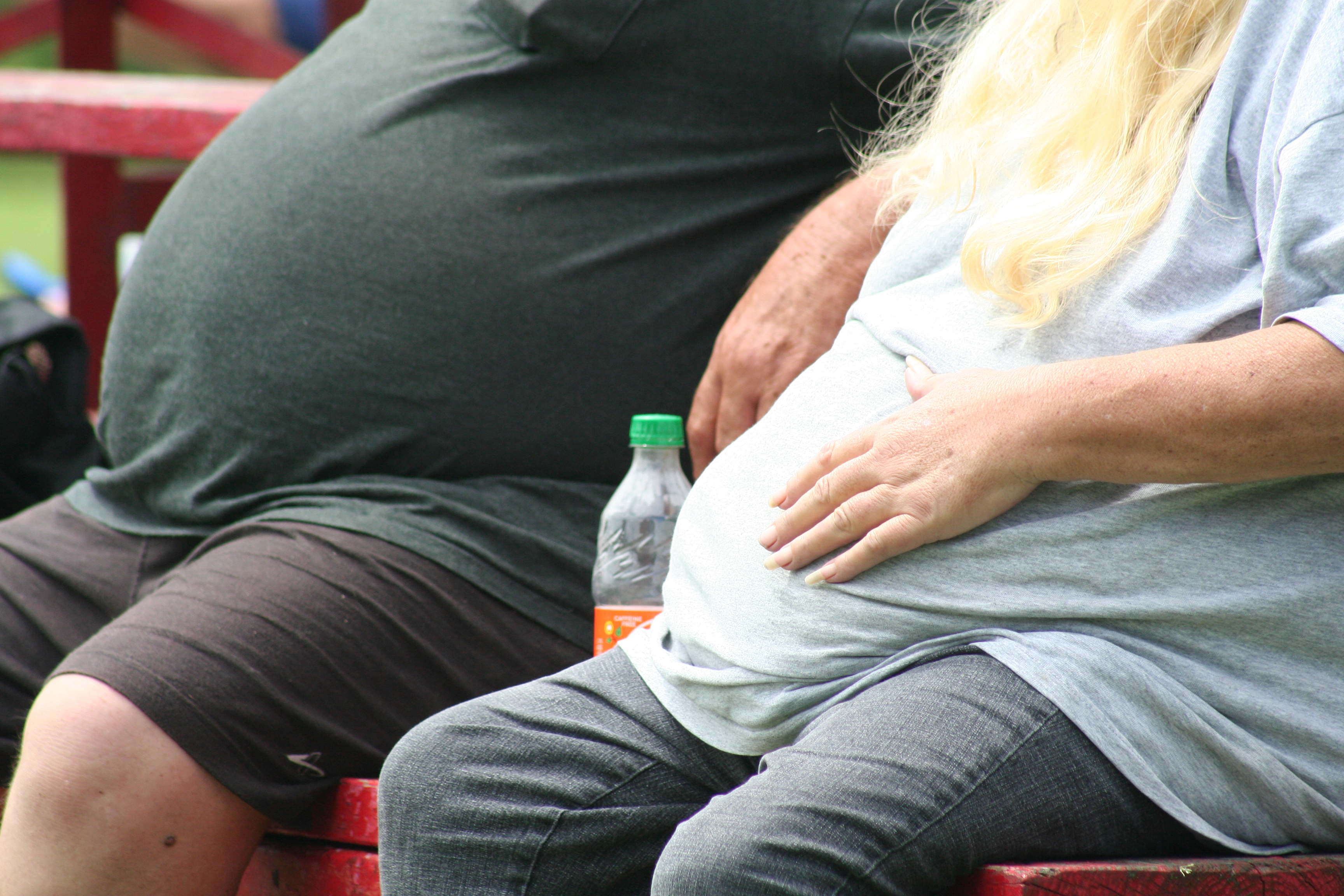
After watching the obesity rate rise over the past two decades, Michigan finally stepped on the scale and saw improvement. It’s a slight improvement, but a decrease in obesity nonetheless!
According to data from the Centers for Disease Control and Prevention (CDC), the State of Michigan saw almost a 1% decrease in adult obesity rate. On top of that, it’s Michigan’s best state ranking – 17th – since 1990.
While Michigan’s ranking has come a long way since being the fifth most obese state at the turn of the millennium, the ranking hasn’t improved due to the state getting its act together to be healthier. Instead, the improved ranking is a result of the rest of the nation regressing into an unhealthy state of mind.
In 2000, West Virginia had the highest adult obesity rate in the country at 23.9% (Michigan was 5th at 22.1%). Compare that to the most recent batch of numbers which has Arkansas leading the country with an obesity rate of 35.9%. West Virginia, the most obese state to kick off the millennium, would rank just under 47th ranked California today.
Not the right direction for the country to be heading.
2014
Obesity is a major drain on health-care costs. A 2009 study estimated the U.S. spent about $150 billion a year on medical expenses associated with obesity. That number is almost double what the country spent on obesity related medical costs back in 1998.
According to the CDC, “Obesity reduces quality of life and is associated with the leading causes of death, including diabetes, heart disease, stroke, and some types of cancer.”
There are a couple of things to keep in mind when diving into the data. First off, the CDC measures obesity using a BMI – or body mass index – of 30 or above. Since BMI is calculated using only your weight and height, it is possible for an individual with a large muscular composition to be labeled “obese” due to a high BMI reading. However, while there are exceptions, there is a strong correlation between BMI and more precise measures of obesity.
Another caveat with the data is how the CDC measures obesity rates, and how that affects comparing data over the years. Back in 2011, the CDC made some changed the way obesity rates were measured to better reflect minority populations. Because of the data gathering changes, the CDC cautions about comparing rates since 2011 with earlier number.
Because of that last point, it’s difficult to compare obesity rates in 2000 to now, but a stark rise in the country’s obesity can still be seen from 2011 onward. Back in 2011, 12 states had an obesity rate over 30% and none were over 35%. Compare that to the latest set of available data, and America has 22 states with an obesity rate over 30% and three states above the 35% threshold.
The numbers are staggering, and they hit even closer to home when you look a little closer.
Kent County isn’t immune from the rise in obesity. Actually, far from it. Kent County has an obesity rate of 29%, good enough to park just between Illinois and Idaho in the national rankings at 28 and 29, respectively.
The obesity epidemic doesn’t show signs of slowing down, but it’s not something we as a society need to be held hostage to. While genetics can play a role, a lot comes down to a healthy diet and exercise! The typical American diet tends to be heavy on processed and high-calorie foods. Sub out unhealthy choices with fruits and vegetables. Also, make sure to stay active.
It’s not always an easy road, but it’s enlightening to know obesity doesn’t have to weigh us down forever.


 All run participants will be issued a race bib, a complimentary gear check tag and a free beverage ticket, redeemable at the after-party at Boatwerks Waterfront Restaurant. Registering before April 2 ensures runners a participant shirt and a personalized race bib featuring their name.