Category Archives: Food

10 foods that boost energy and build endurance in seniors

Courtesy Vista Springs Assisted Living

By Vista Springs Assisted Living


As older adults continue to age, it’s critical that they eat foods with nutrition to boost their energy levels and build their endurance. Without enough energy, physical and mental health can begin decline. In order to get that much needed energy boost, here are 10 foods that provide multiple health benefits for seniors.

1. Nuts

Nuts are full of healthy fats and proteins that give seniors nutritional energy. The amino acids in nuts can also help rebuild and strengthen muscles, which is great for simple stretching and exercising. 

Walnuts

Walnuts have plenty of fiber for seniors, and can be eaten on their own as a snack or in salads, deserts, and other dishes. Their high calorie count will also help provide seniors with all-day energy.

Almonds

The carbs and fiber in almonds are complicated and are broken down slowly, which provides energy throughout the day rather than all at once. This makes nuts a great pick-me-up with a long-lasting effect.

2. Berries

As with nuts, berries can be a quick snack that taste great and have many added health benefits that seniors can take advantage of. 

Blueberries

Blueberries are full of antioxidants, which not only provide immune-boosting effects, but can help protect muscles from weakening over time. Blueberries also have water packed into them, which keeps seniors hydrated and energized.

Strawberries

Strawberries have a lot of the antioxidants found in blueberries, along with vitamin C and healthy sugars that fight fatigue and slow inflammation in the body.

3. Whole grains

Healthy carbs like whole grains have complicated cellular structures that take time to break down during digestion, which provides a constant source of energy throughout the day. Switching from unhealthy carbs to whole grains is a small step that has lasting health benefits.

Oatmeal

The rumors are true—oatmeal is good for your heart! A bowl of oatmeal in the morning can give you much-needed energy throughout the day, as well as providing fiber and protein that seniors need to build their endurance.

Quinoa

Quinoa, which is more of a seed than a grain, is packed full of healthy carbs and protein. It also helps build and repair muscles, which helps seniors maintain their muscle mass and mobility as they age.

4. Sweet potatoes

Rather than white or yellow potatoes, give sweet potatoes a try! Sweet potatoes have much more nutritional value than other potatoes, even though the “sweet” in the name might imply otherwise. The sweetness actually comes from the complex sugars and carbs that give seniors energy and encourage them to exercise and build muscle mass.

5. Greek or plain yogurt

Plain or Greek yogurt provides a big boost of energy with healthy proteins and fats. Rather than the sweetened versions that add lots of sugar, unflavored yogurt gives you lasting energy. You can add some fruits or berries to get natural sweetness if you need!

6. Bananas

As most people know, bananas are high in potassium. What isn’t as well known is what potassium helps to balance hydration and deliver energy. In addition, bananas have anti-inflammatory properties that help seniors build endurance and heal torn muscles faster. 

7. Beans and lentils

Beans and lentils are high in a number of vitamins and minerals, such as zinc, iron, and magnesium. Replenishing minerals can help seniors maintain blood sugar levels, which in turn helps provide a constant stream of energy.

8. Water

While water is a drink, not a food, it is still one of the best things seniors can have to boost energy and build endurance. Without proper hydration, muscles won’t be able to function properly and seniors can easily lose both strength and mobility over time from dehydration.


If drinking water isn’t your thing, then take a look at some other ways you can get your daily dose of hydration.

Senior health tips for hydration

9. Seeds

Seeds are another example of a healthy snack that can give seniors a quick boost of energy and build endurance.

Chia Seeds

The slower you naturally digest food, the more steady your energy levels will be throughout the day. That’s why seeds that are high in fiber like chia seeds are a great high-energy snack. 

Pumpkin Seeds

Like chia seeds, pumpkin seeds have a high fiber content that helps regulate digestion throughout the day. You can easily make your own pumpkin seeds at home by baking them in the oven with a little salt.

10. Avocados

Avocados provide some of the healthiest natural fats found in any food item. Healthy fats are used as energy, rather than unhealthy fats which are stored by the body. Seniors can take advantage of the energy provided by avocados to motivate themselves to exercise and move.


Seniors need to find the energy to move, stretch, exercise, and socialize as they age, or they face serious health consequences. Rather than losing independence, eat the right foods and stay healthier for longer!


Reprinted with permission from Vista Springs Assisted Living.


Wyoming, Kentwood craft breweries staying positive despite ‘first to close, last to open’ concerns

Hankerin’ for a dinner of TwoGuys Brewery’s prime rib and beer? TwoGuys managing partner, brewmaster and all-around craft-brew guru Tom Payne shows off a take-home option. (WKTV/K.D. Norris)

By K.D. Norris

ken@wktv.org

Three Wyoming and Kentwood area craft breweries and brew pubs — TwoGuys Brewing, Broad Leaf Local Beer and Railtown Brewing Company — are doing what they can to keep their taps flowing in these times of COVID-19 restrictions.

Like most restaurants, they are offer take-out and delivery of food from their kitchens. Like most breweries, they offer to-go craft beer choices from their brewers. And like any good pub, they offer the kind of optimism that any good bartender will offer up to customers contemplating the worst over a cold pint.

Broad Leaf reports they are brewing up a Super Wonderful Happy IPA, “named to contrast the times and keep people thinking positively,” they say.

But despite a barkeep’s optimism, there is a healthy outpouring of concern about the future.

Railtown Brewing Company. (Supplied)

“It’s been a long road so far. Sadly, we’re in the early part of a marathon not a sprint,” Railtown’s Justin Buiter said to WKTV. “We were one of the first industries to see forced shutdowns and we’ll be one of the last to re-open. We’re planning for the worst and hoping for the best.”

TwoGuys also has some concerns about what might happen with a “slow opening” of establishments like theirs.

“As far as plans for when things open back up, we aren’t really sure,” TwoGuys Brewing managing partner Amy Payne said to WKTV. “We are prepared to pivot once again as necessary but have discussed that until all restrictions to regular business are lifted we will, most likely, continue to operate as we currently are. Opening our taproom at half capacity (if that should be the next phase) would definitely be detrimental to sales so keeping with the current model would keep us closer to our goal numbers.”

A bright spot has been community support  

Despite the current hardships, the three breweries have been thankful for the support of the community during these times.

“The community support has been amazing,” Railtown’s Buiter said.”We see a lot of familiar faces every week. Folks genuinely care about us and want to see us through this, and that means more than we can put into words.”

For Broad Leaf and its mother ship, Grand Rapids’ Brewery Vivant, their thankfulness includes community support of employees whose jobs were impacted by the closures.

“All gratuities at both locations are being put into an emergency fund for our hourly staff,” Broad Leaf and Brewery Vivant co-owner and president Kris Spaulding said to WKTV. “We have been amazed at how generous our community is. Through those guests, we have built up a meaningful fund that will surely help out some of our staff who are struggling.”

Broad Leaf is also being a little old-school resourceful when it comes to labeling their to-go beer cans and their brewing choices.

Broad Leaf Local Beer offers door pick-up of beer-to-go, and merchandise, at the Kentwood location. Much of the pub’s usual food fare is available through the mother ship, Grand Rapids’ Brewery Vivant, by pick-up or delivery. (WKTV/K.D. Norris)

“People may notice our simple war-time style labels printed on address stickers as we make do with what we have on hand,” Spaulding said. And “We have been going back to old school methods and are all pulling together to be able to share what we all love with the amazing public that has been going out of their way to support us.”

Also “Super Wonderful Happy IPA … is sort of an old-school IPA made with Mosaic and MI Chinook hops …  Bananicula is a pastry stout with Count Dracula Chocolate cereal, banana, vanilla, and marshmallow that we bottled by hand on a homebrew counter-pressure filler contraption our head brewer Jacob cobbled together.”

Man, and woman, does not live on beer alone

That adapting with the times is also at play in to-go food selections.

Much of Broad Leaf’s eclectic fare — including their appropriately named “Drunken Noodles” — is available for pick up and limited-area delivery out of Brewery Vivant’s Eastown kitchen. (The actual Broad Leaf location has curbside pick up of beer and merch, as well as beer delivery.)

TwoGuys, in contrast, has made some changes to adapt.

“In order to stay relevant in the current situation we took a look at what our guests, and hopefully folks new to TwoGuys, would be looking for as the social distancing seemed like it was going to carry on longer than officials were suggesting,” Payne said. “What we decided was, although hot take-out food is great for some, many were traveling across town to get back home if they worked near us or wanted to support us even though they lived across town. Take-out hot food just isn’t as good when it has travelled for a while. So, we began to work on ‘Take N Bake’ options.”

Currently they offer casseroles, lasagna, mac and cheese — and prime rib meals — purchased in tins ready to be put in the oven when they got home.

Desserts have also been “huge,” she said. “Pans of brownies full of all kinds of delicious additives … Nothing like brownies when the world is full of uncertainty.”

(The take-and-bake fruit cobblers looked too good to pass up when researching this story! And their TwoGuys IPA hits the pale ale spot.)

Railtown Brewing Citra Warrior IIPA. (Supplied)

At Railtown, they are open for pick-up and carryout of beer, cider and much of their regular menu food for lunch and dinner, daily except Sunday. Ordering is by phone only. And they do have some special brews unexpectedly available.

“Due to COVID-19, we had to cancel our Warrior Unleashed party which is a celebration of our Imperial IPA, Citra Warrior,” Railtown’s Buiter said. “The result is, we have a ton of beer selections on tap currently. We released 4 variations of Citra Warrior — Midnight Warrior (Black Imperial IPA), Soulless Warrior (Ginger Imperial IPA), Tiki Warrior (Pineapple Imperial IPA), and Tiki Torch (Pineapple and Cayenne Pepper Imperial IPA).”

Keeping with that barkeep’s optimism, they also have a new “Shutdown Brown”, a hazelnut brown ale.

Railtown is located at 3595 68th St. SE, in Dutton but just across the border with Kentwood. For food and beer information, call 616-881-2364 or visit railtownbrewing.com.

TwoGuys is located at 2356 Porter St. SW, in Wyoming. For food and beer information, call 616-552-9690 or visit twoguys-brewing.com.

Broad Leaf is located at 2885 Lake Eastbrook Blvd, in Kentwood. For food and beer information call 616-803-0602 or visit broadleafbeer.com.

The upside to milk

Those with dairy in their diet have a lower risk of diabetes—possibly because they’re eating less refined, low-fiber carbohydrates, according to one study. (Courtesy Spectrum Health Beat)

By Len Canter, HealthDay


Dairy foods have been getting a lot of attention from researchers in recent years, notably from studies done both jointly and separately by scientists at Harvard and Tufts universities.


They looked at the relationship between full-fat dairy and the risks for heart disease and diabetes.


A 3,000-participant study found that people who included dairy fat in their diet had a lower risk of diabetes. One theory for the link is that people who skip or limit dairy might compensate by eating more refined, low-fiber carbohydrates, which can increase diabetes risk.


A study that followed more than 200,000 people over several decades looked at the relationship between dairy fat intake and heart disease.


It found no increase in heart disease risk among people who ate dairy fat, although the risk was lowered when calories from dairy fat were replaced with calories from plant-based fats or whole grains—24% when they were replaced by polyunsaturated fats and 28% when replaced with whole grains.


On the other hand, the risk went up by 6% if those calories went instead to foods with other types of saturated fat, like red meat.


A third piece of research reviewed nine studies that looked specifically at butter—another source of saturated fat—and its role in heart disease, diabetes and all causes of death.


The analysis found that while plant-based fats are healthier, small amounts of butter aren’t likely to hurt you.


What might you do with all this information? The familiar bottom line is moderation.


While it’s still healthier to cook with olive oil, for instance, you can indulge in a pat of butter on your hot whole-grain cereal or an ounce of cheese on whole-grain bread or, perhaps best of all, a serving of full-fat yogurt and a cup of berries.


Reprinted with permission from Spectrum Health Beat.


State offers a way to help shut-in seniors with food needs through a ‘virtual food bank’

A new virtual food bank has been set up to support senior food needs, and donations are being accepted. (Public Domain)

By WKTV Staff

ken@wktv.org

Feel like you want to support seniors in your community while maintaining a social distance from one of the most at-risk COVID-19 populations? A new virtual food bank may be just what you’re looking for.
 

The Michigan Department of Health and Human Services (MDHHS) Aging and Adult Services Agency and the Food Bank Council of Michigan announced this week the creation of  “virtual food bank” raising money to provide food boxes to seniors who are staying home to protect themselves from COVID-19.

Michigan residents can make monetary donations on the virtual food drive website to buy food for the project.

Kent County seniors who need extra support at this time can now sign up for assistance, including meal delivery, delivery of non-perishable food items, and daily wellness-check calls by contacting the Area Agency on Aging of Western Michigan.

The Area Agency on Aging of West Michigan said to WKTV, following the state announcement, that information on local food resources is available at aaawm.org/article/an-update-on-food-resources.

Each of the virtual food drive boxes is filled with 33 food items that provide for 22 well-balanced, nutritious meals, according to supplied material. Each box contains breakfast, lunch and dinner recipes for seniors who are food insecure. A donation of $28 pays for an entire box containing food such as chunk white canned chicken, green beans, peanut butter and low-sodium diced tomatoes. Boxes are distributed from local food banks through Area Agencies on Aging and delivered by volunteers.

“Michigan’s aging adult population is especially vulnerable to COVID-19,” Dr. Alexis Travis, director of the Aging and Adult Services Aging, said in supplied material. “It’s critical that seniors stay home, but they also need healthy food.”

The Michigan National Guard is packing the first 10,000 boxes at Gleaners’ Community Food Bank’s warehouse in Pontiac. The Food Bank Council is routing the boxes to Area Agencies on Aging across the state, but more food is needed to feed seniors.

“The COVID-19 pandemic poses unprecedented additional barriers to food access,” Dr. Dawn Opel, of the Food Bank Council of Michigan, said in supplied material. “This program is an example of how we are creating innovative food distribution models to bring food to people where they are—to alleviate household food insecurity and to prevent the spread of the virus for those without transportation and other supports.”

Programmed to pack pounds?

The genetic traits that helped our ancestors battle food scarcity could today be contributing to excess weight and related illnesses. (Courtesy Spectrum Health Beat)

By Serena Gordon, HealthDay


It’s not easy maintaining a healthy weight. Even when you manage to drop a few pounds, they often return.


Why would the body seem to encourage obesity?


New research suggests the answer lies far back in human evolution, with an anti-starvation mechanism that primes the body to store fat.


The key to this mechanism is a protein dubbed “RAGE,” according to New York University scientists working with mice. They believe RAGE evolved to help keep ancient humans from starving when food was scarce.


But today, in times of plenty, there’s a glitch at work: RAGE is produced to combat the cellular stress caused by overeating.


The protein seems to mistake this stress as similar to starvation, and so it switches off the body’s ability to burn fat. The result: fat becomes easy to accumulate, but tough to shed.


Still, there’s a silver lining to all of this, the NYU team said, because the research might lead to anti-obesity drugs.


“Our thinking is that RAGE is targetable. When we put mice with no RAGE expression at all on a high-fat diet, they ate the food but were not becoming obese,” explained study author Dr. Ann Marie Schmidt, from the NYU School of Medicine.


And a lack of RAGE appeared to be safe, at least for mice.


“When you totally delete RAGE in mice, they have normal reproduction and no problems with cognition,” she said.


The researchers hope that because RAGE seems to be active just during times of metabolic stress instead of during everyday functions, taking it away won’t create problems.


But don’t pin your hopes on a RAGE-deleting drug just yet.


Schmidt was quick to note that any such drug is a long way off yet because the research is currently in mice. Findings from animal studies don’t always translate to humans.


Still, Schmidt said the potential is exciting.


In addition to limiting the body’s ability to burn fat, RAGE also may contribute to inflammation throughout the body. So, along with taming obesity, it’s possible that removing the RAGE protein might help with some of the inflammatory consequences of obesity, such as diabetes, cancer, hardening of the arteries and Alzheimer’s disease, according to the researchers.


Dr. Michael Wood, medical director for bariatric surgery at the Detroit Medical Center’s Harper University Hospital, said the study was interesting, although very early.


And, Wood said, “obesity is a very complicated problem, and I think these findings are an oversimplification.”


But Wood noted that it’s possible the RAGE protein plays a role in excess weight. It’s just not likely the only factor in the development of obesity.


“I don’t think there’s one switch or any one thing that can solve this complicated issue. There’s no magic bullet for obesity,” he said.


Right now, if someone wants to lose weight, they have to commit to lifestyle changes, Wood said.


And, that’s true even if someone has weight-loss surgery. He added that the most significant change comes from eating fewer calories. Exercise is a healthy habit, but only a small component of weight loss.


The study was published online recently in the journal Cell Reports. Funding was provided by the American Heart Association, the U.S. Public Health Service and the American Diabetes Association.


Reprinted with permission from Spectrum Health Beat.


Kentwood’s Streams of Hope gains grant to support tutoring of elementary school students

In addition to it tutoring program, Streams of Hope offers a variety of programs to their community including a food pantry, after-school activities for middle and high school students, a community garden, and health & wellness programs. (Supplied)

By WKTV Staff

ken@wktv.org

The Streams of Hope community center in Kentwood has received a $25,000 grant from HarperCollins Christian Publishing to support the center’s elementary student tutoring program.

Since the tutoring program begin in 2010, it has steadily grown to provide more than 100 hours of free tutoring each week by 10 certified teachers to 80 students, according to the center.

Kurtis Kaechele (Supplied)

“It’s a joy and a privilege to have HarperCollins Christian Publishing come alongside this tutoring initiative once again,” Kurtis Kaechele, Streams of Hope executive director, said in supplied material. “They have been a wonderful partner over the past six years, and their support empowers the students in this neighborhood to overcome barriers and succeed in school.”

During the COVID-19 stay-at-home restrictions, Streams of Hope has sent virtual tutoring resources to their students and provided printed versions to families that utilize the center’s food center drive-thru supplemental grocery system.

The combined population of three public elementary schools, each less than half a mile from the center, located at 280 60th St, SE, is over 90-percent eligible for federal assistance, according to Streams of Hope.

“Educational success is a significant factor for reducing poverty, and our prayer is that by impacting students we would see our neighborhood transformed for the better,” Kaechele said. “In 2018, 91 percent of students being tutored in reading achieved one grade level or more of growth. During the same period, 84 percent of math students raised their assessment scores.”


Kentwood’s Streams of Hope ministry serves children and families in several ways. (Supplied)

In addition to tutoring, Streams of Hope offers a variety of programs to their community including a food pantry, after-school activities for middle and high school students, a community garden, and health & wellness programs. It also serves as a campus for SpringGR entrepreneurial training.

The HarperCollins grant will also support the center’s summer soccer and reading camp in addition to their Nutrition, Education & Wellness program for diabetic clients.

“Year after year, HarperCollins Christian Publishing continues to be in awe of what Streams of Hope can accomplish for the Kentwood community, and greater Grand Rapids,” Casey Harrell, senior director of corporate communications at HarperCollins Christian Publishing, said in supplied material. “Not only have we built a relationship through monetary investment, but with their leadership, staff, and the children involved in their tutoring program.”


Streams of Hope is a community-based ministry in the Townline neighborhood of Kentwood that “exists to demonstrate God’s love and foster sustainable change through services that build relationships, meet family needs, and promote a healthier community,” according to the group. Its programs focus on creating healthier schools, neighborhoods, and families by utilizing local resources.

For more information visit streamsofhope.org.

Upset tummy? Or something more serious?

The digestive system is a pretty complex set of organs. When something goes wrong, you usually know about it soon thereafter. Here’s how to tell whether it’s something serious. (Courtesy Spectrum Health Beat)

By Health Beat staff


From top to bottom, digestion is a pretty complicated process. And many digestive disorders can occur at almost any point along the journey from mouth to… well, you know.


Spectrum Health Medical Group gastroenterologist Ben Kieff, MD, shares the seven most common conditions and what to do about them.


The symptoms of many of these digestive diseases resemble each other, as well as other medical conditions or problems, Dr. Kieff noted. When in doubt, it’s always best to consult your doctor for a proper diagnosis.

1. Constipation is the most common digestion-related complaint.

  • Symptoms: Uncomfortable or infrequent bowel movements.
  • Try this: Add fiber in your diet (think “an apple a day”), drink more fluids (go for eight glasses of water a day) and get more exercise (walk around the block).
  • When to get help: If constipation doesn’t go away, or if it seems to come out of nowhere, or if you’re in pain.

2. Lactose intolerance upsets the stomachs of up to 50 million Americans.

  • Symptoms: Nausea, cramps, bloating, abdominal pain, gas or diarrhea after consuming dairy products such as milk, cheese and ice cream. This is caused by the lack of an enzyme you need to digest the sugar in dairy products.
  • Try this: Limit dairy products and try lactase, an over-the counter pill to replace the missing enzyme.
  • When to get help: Now. Symptoms of lactose intolerance may resemble other medical conditions or problems.

3. Reflux (GERD or gastroesophageal reflux disease) irritates 14 percent of the population.

  • Symptoms: Heartburn (acid indigestion), and in some cases, a dry cough, asthma symptoms and trouble swallowing. This happens when gastric acid flows from the stomach into the esophagus.
  • Try this: Avoid foods that trigger your symptoms, don’t eat just before bedtime, take antacids and other medications aimed at reducing stomach acid. And if you smoke, quit.
  • When to get help: If problems persist and diet and lifestyle changes don’t do the trick. Over time, GERD can damage your esophagus and can even lead to esophageal cancer.

4. Celiac disease (gluten intolerance) is gut-wrenching for one in 133 people.

  • Symptoms: Chronic diarrhea, weight loss, abdominal pain and gas, pale foul-smelling stool, anemia and more.
  • Try this: A gluten-free diet is a must. Gluten is found in wheat, rye, barley and oats. This may require a major change in your eating habits.
  • When to get help: Now. Symptoms of celiac disease are similar to those of other digestive diseases and intestinal infections.

5. Inflammatory bowel diseases (like Crohn’s disease or ulcerative colitis) attack 25 to 45 million people.

  • Symptoms: Diarrhea (sometimes bloody), abdominal pain, weight loss, fatigue and more. Bowel disease may start if your immune system attacks your gastrointestinal tract.
  • Try this: There’s no one-size-fits-all solution, but it may help to stop smoking, drink more fluids, exercise and experiment to see what foods you can eat safely. Smaller meals may help, too.
  • When to get help: Now. Find a doctor who won’t dismiss your symptoms and is willing to experiment with you for the best solution.

6. Gallstones are diagnosed one million times a year.

  • Symptoms: You could have gallstones without symptoms. If they grow larger or obstruct bile ducts, however, you may have a “gallstone attack” with pain, nausea and vomiting after a fatty meal, or at night.
  • Try this: If you’re diagnosed with gallstones during an ultrasound test, but you don’t have symptoms, take a wait-and-see approach before jumping into surgery.
  • When to get help: Immediately if you experience pain lasting more than five hours or sweating, chills, low-grade fever, yellowish skin or eyes and clay-colored stools.

7. Diverticular disease will pop up in one out of two seniors.

  • Symptoms: Cramps, bloating or constipation caused by inflammation of diverticula (small pouches) that bulge outward through the wall of the colon.
  • Try this: There may be a link to diet, so make sure yours includes 20 to 35 grams of fiber each day by eating whole grain foods, fruits, veggies and beans.
  • When to get help: Immediately if you experience pain on the left, lower abdomen, fever, nausea, vomiting, chills and cramping, as the diverticula may be infected.

Reprinted with permission from Spectrum Health Beat.


Feel swollen? Blame salt

Given their notoriously high salt content, packaged snacks may be one of the biggest culprits in your struggles with bloating and gas. (Courtesy Spectrum Health Beat)

By Steven Reinberg, HealthDay


If you often feel bloated after a meal, don’t be too quick to blame high-fiber foods. The real culprit might surprise you.


Your gut may be rebelling because you’re eating too much salt, a new study suggests.


“Sodium reduction is an important dietary intervention to reduce bloating symptoms and could be used to enhance compliance with healthful high-fiber diets,” said study researcher Noel Mueller, an assistant professor at the Johns Hopkins Bloomberg School of Public Health in Baltimore.


He and his research colleagues looked at data from a large clinical trial conducted in the late 1990s known as Dietary Approaches to Stop Hypertension-Sodium, or DASH-Sodium for short.


Their conclusion: Consuming a lot of salt increases bloating, as does a healthy, high-fiber diet.


Although it’s not clear exactly how salt contributes, Mueller suspects fluid retention may be the key.


Eating more salt can promote water retention and make digestion less efficient, which can lead to gas and bloating, he said.


Studies in mice have shown that dietary salt can alter the makeup of gut bacteria. And that, in turn, can affect gas production in the colon, Mueller said.


“Our study suggests that selecting foods with lower sodium content, such as those that are not ultra-processed, may help relieve bloating in some people,” he said.


Bloating affects as many as a third of Americans, including more than 90% of those with irritable bowel syndrome. It’s a painful buildup of excess gas created as gut bacteria break down fiber during digestion.


For the current study, the researchers used findings from a 1998-1999 trial.


In that trial, the DASH diet—one low in fat and high in fiber, fruits, nuts and veggies—was compared with a low-fiber eating regimen. The trial’s goal was to learn how salt and other factors affected high blood pressure.


The new review found that about 41% on the high-fiber diet reported bloating and men had a bigger problem with it than women. And diets high in salt increased the odds of bloating by 27%.


“We found that in both diets, reducing sodium intake reduced bloating symptoms,” Mueller said.


The upshot is that reducing sodium can be an effective way to prevent gas—and may help people maintain a healthy, high-fiber eating regimen.


Many things can cause bloating—lactose intolerance, celiac disease, small intestinal bacterial overgrowth, infection or other conditions, said Samantha Heller, a senior clinical nutritionist at New York University Langone Health.


“If someone is experiencing gastrointestinal symptoms such as bloating on an ongoing basis, they should see their health care practitioner to see if the cause can be pinned down,” said Heller, who wasn’t involved with the study. “This way they will know how to manage the issue.”


Occasional bloating is not uncommon, she added.


To help you avoid excess gas and bloating, Heller offered these tips:

  • Increase physical activity.
  • Limit highly processed foods, such as fast food, frozen meals, junk food and fried food.
  • Increase your fluid intake and make peppermint tea part of it. Avoid carbonated beverages.
  • Eat more foods that are rich in fiber, such as vegetables, legumes and whole grains. Increase these slowly and in small portions and be sure to increase your fluid intake at the same time.
  • Have smaller meals.

The report was published in the American Journal of Gastroenterology.


Reprinted with permission from Spectrum Health Beat.


Top 10 ways to prevent GERD

There are several things you can do to knock out reflux before it becomes a problem. Among them is avoiding spicy foods. (Courtesy Spectrum Health Beat)

By Health Beat staff


Unlike many other medical conditions, gastroesophageal reflux disease is almost completely preventable.


Most of us have suffered with the occasional bout of heartburn (also called acid indigestion). It’s that burning chest pain that begins behind the breastbone and moves up to the neck and throat. It happens when acids in the stomach back up into the esophagus and burn the lining.


“If you’re having heartburn or acid reflux more than twice a week for a few weeks, however, it could be GERD,” said Praveen Sateesh, MD, a gastroenterologist with Spectrum Health Medical Group. “GERD is a more serious and longer-lasting condition.


Over time, GERD can permanently damage the esophageal lining and lead to even more serious conditions such as Barrett’s esophagus or esophageal cancer.


“There are a number of different lifestyle modifications you can try to help calm the burn, or hopefully avoid it altogether,” Dr. Sateesh said. “But it’s not a ‘one size fits all’ approach. What works for one person may not work for someone else. Keep trying, and find what works for you.”

1. Lose weight

Obesity is the leading cause of GERD. Lose weight if you’re overweight and don’t gain weight if you’re not.

2. Avoid foods known to cause reflux

Place these foods on your ‘do not eat’ list (or at least, ‘eat in moderation’, if you’re willing to take your chances):

  • Fatty foods
  • Spicy foods
  • Acidic foods, like tomatoes and citrus
  • Mint
  • Chocolate
  • Onions
  • Coffee or any caffeinated beverage
  • Carbonated beverages

3. Eat smaller meals

Large meals fill the stomach and put pressure on the area where the stomach and esophagus join together. This pressure makes reflux more likely. Smaller, more frequent meals are better.

4. Don’t lie down after eating

Gravity normally helps keep stomach acid where it belongs: down in your stomach. So wait at least three hours before you lie down after a meal and be sure to eat early to give your stomach time to empty before bedtime.

5. Elevate the head of your bed

Stomach acid, like water, does not roll uphill. Raising the head of your bed six to eight inches can help gravity keep gastric acid down in your stomach. Or, you can use a wedge-shaped support to elevate your head and upper chest. Don’t use extra pillows, as they only raise your head and will not help with GERD.

6. Review your medications

There are a number of medications that can affect your digestive system and increase your risk of GERD. These include:

  • Non-steroidal anti-inflammatory drugs
  • Calcium channel blockers (often used to treat high blood pressure)
  • Certain asthma medications, including albuterol
  • Anticholinergics (used to treat conditions such as seasonal allergies and glaucoma)
  • Bisphosphonates (used to boost bone density)
  • Sedatives and painkillers
  • Some antibiotics
  • Potassium
  • Iron tablets

If you’re taking any of these medications, talk to your doctor about switching to another drug that does not have the same effect on the upper digestive tract. Don’t, however, stop taking a prescribed medication without first consulting your doctor.

7. Stop smoking

Some studies have found that nicotine can relax the muscles that keep the esophagus closed off from the stomach and can also interfere with your saliva’s ability to clear acid out of the esophagus.

8. Cut back on alcohol

As with smoking, alcohol can cause these same muscles to relax. Alcohol can also cause the esophageal muscles to spasm.

9. Wear loose-fitting clothes

Don’t wear tight clothing or belts that can constrict your stomach. Yes, this is permission to wear yoga and sweat pants!

10. Take an antacid

Antacids neutralize stomach acid before it backs up into the esophagus.


“If, after trying the above tips, you’re still experiencing GERD, see your doctor or a gastroenterologist for further evaluation,” Dr.Sateesh said. “There are several effective medications you can take to ease the symptoms of GERD.”


Reprinted with permission from Spectrum Health Beat.


The diverticulitis divide

Episodes of diverticulitis can entail pain in the lower left abdomen, fever, chills and changes in stool. (Courtesy Spectrum Health Beat)

By Len Canter, HealthDay


Although colonoscopy screens for cancer, it can also uncover a common condition called diverticulosis.


This is when one or more pockets develop in the colon wall, often in the large bowel. These pockets occur over time, possibly from not getting enough fiber in your diet or eating too much red meat.


They’re so common that about 50% of people have them by age 50, according to the American Gastroenterological Association.


Problems can occur if a pocket gets infected, swollen and inflamed, which happens to about 5% of people with diverticulosis.


This condition is called diverticulitis.


“Attacks” of it can come with pain in the lower left abdomen, fever, chills and changes in stool. You may also experience nausea and vomiting.


Treatment for diverticulitis often centers on a short-term low-fiber diet to quiet the digestive tract and possibly antibiotics to get rid of the infection.


Some people get repeated attacks.


There’s also the possibility of developing a serious abscess in a pocket and needing surgery to remove the affected section of intestine if the damage is severe.


But you can take steps to lower the risk for repeated attacks and complications.


After—and only after—the infection clears, slowly reintroduce fiber to your diet by eating more whole grains, legumes (including beans and lentils), vegetables, berries, fruits with edible skins, nuts and even popcorn.


The goal is 25 grams of fiber a day for women, 38 for men. Replace at least some red meat with poultry and fish. Vigorous cardiovascular exercise also offers some protection.


Also, ask your doctor about any medications that might raise your risk of a flare. These could include nonsteroidal anti-inflammatory drugs, or NSAIDs, like aspirin or ibuprofen. Acetaminophen may be safer for you.


These same steps may help prevent diverticulosis or stop it from progressing to diverticulitis.


Reprinted with permission from Spectrum Health Beat.


It’s time to energize

If it’s long-lasting fuel you’re after, steel-cut oats with berries is the ideal way to start your day. (Public Domain)

By Gregory Stacey, Spectrum Health Beat


In today’s sleep-deprived, over-caffeinated, under-exercised society, there is a relentless demand for more energy.


The energy drink sales in the U.S. are evidence of that.


And yet, we’re still tired.


So where do we go from here? Good nutritional intake. That’s right—a healthy diet can help keep you energized all day.


By eating just one or two high-energy foods every two to four hours, you can sustain your energy levels for a much longer period.

Here are the Top 10 foods to fuel long-lasting energy:

1. Old fashioned or steel-cut oats

Oats are a good source of complex carbohydrates, soluble fiber and protein. Eating oatmeal may also improve your cholesterol. Avoid flavored oatmeal packets because they have added sugar or sugar substitutes. Instead, flavor your oatmeal yourself with fruit, berries, cinnamon and nuts.

2. Brown rice

Rice is inexpensive, and it’s versatile in its culinary uses. Whole grains such as brown rice will provide complex carbohydrates for energy while also providing healthy fats, vitamins, minerals, fiber and protein.

3. Potatoes

Potatoes provide complex carbohydrates and are good sources of fiber (keep the skin on) and potassium. Sweet potatoes and yellow-, red- or purple-skinned potatoes are the best choices.


Given that 98 percent of Americans eat a potassium-deficient diet, the importance of potatoes can’t be overstated—they have double the potassium of bananas. So eat those potatoes.

4. Beans

Beans are good sources of complex carbohydrates, protein, vitamins and minerals. They are one of nature’s perfect foods.

5. Plain Greek yogurt

Greek yogurt provides a lot of protein and simple carbohydrates in the form of lactose. Choose a plain, low-fat or fat-free Greek yogurt to avoid sugar substitutes, and add healthy carbohydrates and fats yourself—fruits, berries and nuts.

6. Fresh fruit

Fresh fruits have simple carbohydrates for quick energy, as well as fiber and antioxidants that decrease the glycemic index. Choose fruits as snacks throughout the day, and be sure to eat at least two servings daily.

7. Berries

Berries get their own category because of their unique blend of low caloric, high fiber and high antioxidant content. Try to eat berries every day.

8. Nuts

Nuts provide healthy, unrefined fats, and they’re a good source of protein and fiber. They make easy snacks and have a long shelf life. Nuts are high in calories, so a handful once a day is enough.

9. Leafy greens

A low energy level can sometimes correspond to a lack of important nutrients such as omega-3, iron, B vitamins, zinc and magnesium. Leafy greens are good sources of these nutrients, as well as a source of antioxidants. Have a salad every day, or alternatively, put these greens in your smoothie.

10. Water

Dehydration contributes to poor energy levels. Try to drink at least 64 ounces of water daily. That’s about 2 liters. If you’re a large man or you exercise regularly, you may need to drink 3 to 4 liters of water each day.


Reprinted with permission from Spectrum Health Beat.


Allergies linked to heartburn meds

Taking as few as six doses of heartburn medication each year may lead to an increased need for allergy medicine. (Courtesy Spectrum Health Beat)

By Serena Gordon, HealthDay


There are numerous drugs to treat digestive woes caused by heartburn or stomach ulcers. But solving one health problem may be causing another.


New research from Austria found that people who use drugs that suppress stomach acid were almost twice as likely to need drugs to control allergy symptoms.


And people over 60 who used these drugs were more than five times as likely to also need an allergy medication, the study reported.


“Many people have gastric (stomach) complaints and many people take anti-acid medicine. The longer the treatment with these medicines, the higher the risk of allergies,” said study senior author Dr. Erika Jensen-Jarolim, a clinical immunologist at the Medical University of Vienna.


How might these two conditions be connected?


Jensen-Jarolim said that, normally, the acidic environment in the stomach helps break down food-derived proteins that can cause allergies.


But if you take acid-suppressing drugs, the food you eat isn’t broken down into small enough pieces.


Intact allergens are sent to the intestine, where they can cause an allergic reaction and inflammation.


The implications from this study could be far-reaching.


According to the American College of Gastroenterology, more than 60 million Americans have had heartburn at least once in the past month.


Heartburn—gastroesophageal reflux disease, or GERD—occurs when stomach acid backs up into the esophagus (the tube connecting your throat and stomach), the American College of Gastroenterology said.


Symptoms include a feeling of burning behind the breastbone that can move up to the neck. Some people notice the bitter taste of bile in the back of the throat.


To treat this discomfort and pain, people often take acid-reducing medications. These include popular drugs called proton pump inhibitors, or PPIs.


Medications in this class include prescription and over-the-counter drugs like Prilosec (omeprazole), Prevacid (lansoprazole) and Nexium (esomeprazole).


Another class of medications is called H2 blockers. This class includes Tagamet HB (cimetidine), Pepcid (famotidine) and Zantac (ranitidine). There is also a medication called Carafate (sucralfate) that’s an aluminum compound.


All of these medications were linked to an increased use of allergy medications.


But there was a higher prevalence of allergy medication use after a sucralfate prescription, according to the study.


The study included prescription information from 97% of people in Austria. The data covered four years, from 2009 to 2013.


The researchers noted that as few as six doses of anti-acid medication each year were linked to an increased need for allergy medication. The risk of needing allergy medication rose with more frequent use of acid-reducing drugs.


Women and older people taking acid-reducing drugs were more likely to need allergy drugs.


Jensen-Jarolim said she hopes doctors will heed the study findings and prescribe acid-suppressing medications with care. She also hopes that consumers buying over-the-counter anti-acids will remember that these are medications and any medication can have side effects.


For those concerned about allergies, but who may still need acid-reducing drugs, she recommended taking these medications for the shortest time possible.


Dr. Elie Abemayor, chair of the division of gastroenterology at Northern Westchester Hospital in Mount Kisco, N.Y., reviewed the findings, and said it’s always important to weigh the benefits of a drug against the risk.


And while the findings were “concerning,” Abemayor said it’s important to recognize that this study is observational and cannot prove a cause-and-effect relationship.


“I would still take these drugs if I needed them. I don’t think this study will change the way they’re prescribed,” he said.


But he added that if you don’t really need the drugs for a long time, it’s a good idea only to take them as needed.


The findings were published recently in the journal Nature Communications.


Reprinted with permission from Spectrum Health Beat.


Weekend binge? Brace for week-long woes

A devil-may-care diet on the weekends can wreak long-lasting havoc on your gut microbiome. (Courtesy Spectrum Health Beat)

By Len Canter, HealthDay


Do you eat healthy during the week, then ease off the brakes on the weekend? You’re not alone.


But such a five days on-two days off eating regimen can erode diet quality, according to a study published recently in the Journal of the Academy of Nutrition and Dietetics.


Not only did participants take in more calories on weekends than on weekdays, they were less healthy calories, to boot.


They consumed more alcohol and fat, and ate less of the good stuff, like yogurt, fruits, dark green and orange vegetables, chicken, nuts and seeds, and whole grains.


And if the calories you consume on the weekend exceed the number you take in during the week, that’s a net surplus—read: weight gain.


Besides stalling any weight-loss efforts, weekend junk-food binges can also negatively impact the healthy bacteria in your gut.


A lab study published in Molecular Nutrition & Food Research found that cycling on and off junk food was almost as detrimental to the delicate balance of the gut microbiome as eating it all the time.


In particular, a junk-food diet reduces the microbes needed to metabolize flavonoids, a category of micronutrients thought to help with weight loss and brain health.


If you look forward to letting loose on the weekends, find other ways to unwind.


For instance, try a new activity—you’ll burn more calories and boost your weight-loss (or control) efforts.


If going out for a big brunch is your downfall, schedule a trip to the gym instead.


Weekends are also perfect for doing some healthy cooking. Make enough to have for brown-bag lunches so weekday eating is more satisfying.


Reprinted with permission from Spectrum Health Beat.


When your heart’s on fire

Find yourself in this aisle a bit too often? A doc shares info on when you should be alarmed. (Courtesy Spectrum Health Beat)

By Health Beat staff


The burning discomfort behind your breastbone that moves up toward your neck and throat. The bitter or sour taste of acid in the back of your throat.


Heartburn.


It’s caused when acid from the stomach flows backward, or refluxes, up into the esophagus, irritating the throat, vocal cords and entrance to the lungs.


For most, it’s a minor annoyance. But for some, it’s a sign of gastroesophageal reflux disease, a condition that could lead to even more serious health problems.


How can you tell?

Give yourself an acid test

Here’s a simple self-test developed by a panel of experts from the American College of Gastroenterology:


1. Do you frequently have one or more of the following:

  • An uncomfortable feeling behind the breastbone that seems to be moving upward from the stomach?
  • A burning sensation in the back of your throat?
  • A bitter acid taste in your mouth?

2. Do you often experience these problems after meals?


3. Do you experience heartburn or acid indigestion two or more times per week?


4. Do you find that antacids only provide temporary relief from your symptoms?


5. Are you taking prescription medications to treat heartburn, but still having symptoms?


If you said yes to two or more of the above, you may have GERD. To know for sure, see your doctor or a gastroenterologist. In most cases, an endoscopy should be performed to evaluate the severity of GERD and identify the possible cause.

Don’t ignore your heartburn

Up to 20 percent of Americans suffer from typical symptoms of GERD, noted Praveen Sateesh, MD, a gastroenterologist with Spectrum Health Medical Group. These symptoms include:

  • Frequent heartburn (two or more times a week)
  • Difficulty swallowing (dysphagia)
  • Food sticking in the esophagus
  • Dry cough, hoarseness or sore throat
  • Regurgitation of food or sour liquid (acid reflux)
  • Sensation of a lump in the throat

While heartburn is the classic symptom, an estimated 65 percent of people with GERD experience atypical symptoms.


“These lesser-known symptoms are important to note because patients and their doctors may not associate them with reflux disease,” Dr. Sateesh said. “They therefore don’t pursue appropriate treatments.”


Atypical symptoms of GERD include:

  • Chronic cough
  • Persistent sore throat
  • Hoarse voice
  • Persistent postnasal drip
  • Chronic throat clearing
  • Choking
  • Dental erosion
  • Chest pain

Over time, Dr. Sateesh said, inflammation caused by GERD wears away the lining of your esophagus and can cause some serious complications:

  • Asthma, chronic cough and ear, nose and throat problems. These are known as extra-esophageal manifestations and the connection to GERD often goes unrecognized, even by health care providers.
  • Peptic stricture. This is a chronic acid injury and scarring of the lower esophagus. Patients often complain of food sticking in their throat, Dr. Sateesh said.
  • Barrett’s esophagus. This is a precancerous condition where the lining of the esophagus changes to resemble intestinal tissue. Once this happens, patients who initially experience heartburn won’t be able to feel the burning sensation any longer and incorrectly think the problem has gone away. Barrett’s is the No. 1 risk factor for developing esophageal cancer.
  • Esophageal cancer. This cancer is increasing at fast rate in the U.S. and results when GERD or Barrett’s is left untreated for many years.

To learn more about acid reflux and heartburn, including treatment tips, watch Dr. Sateesh on Fox 17 Morning Mix.


Reprinted with permission from Spectrum Health Beat.


Taste of Kentwood — a community celebration — returns to Activities Center on March 12

The crowd at the 2019 Taste of Kentwood. (Supplied/City of Kentwood)

By WKTV Staff
ken@wktv.org

The City of Kentwood invites residents and all West Michiganders of all ages to a celebration of food, fun and local business at a community-celebration event, Taste of Kentwood, on Thursday, March 12.

Now in its 19th year, Taste of Kentwood will be held at the Kentwood Activities Center, 355 48th St. SE. The event will feature a variety of local restaurants offering samples of appetizers, entrées, sides and desserts during two sessions: 4:30-6 p.m. and 6:30-8 p.m.

One of the eateries at the 2019 Taste of Kentwood. (Supplied/City of Kentwood)

“Kentwood is known for its incredible diversity which is demonstrated in our ranging dining options,” Val Romeo, Kentwood Parks and Recreation director, said in supplied material. “From ethnic to American, high-end to casual, Taste of Kentwood is the ideal opportunity to try new foods, meet neighbors and make the most of what the city has to offer, all in one spot.”

In addition to tasting the local cuisine, there will be live music from the band Just Cuz, an acoustic duo that performs an eclectic mix of cover tunes from an array of genres.

The restaurants and food venders elected to be present include old favorites as well as eateries new to the city, including: Broad Leaf Beer, Café Boba, City Barbeque, Dave & Buster’s, Jet’s Pizza, Peppino’s Sports Grille & Pizzeria, PJ’s Pizza, Coffee & Ice Cream, Red Robin, Tim Hortons, Uccello’s Ristorante, Underground Cookie Club, YoChef’s Catering Company and Zason Latino.

For more information and for tickets for either session, visit here. Tickets are $10 in advance or $12 on the day of the event. Children, 5 and younger, are free.

Get the dish on aging well

Mediterranean food that’s full of vegetables, extra virgin olive oil, and fish tend to reduce insulin resistance. (Courtesy Spectrum Health Beat)

By Diana Bitner, MD, Spectrum Health Beat


The best way to get through midlife and menopause is to know the tricks.


One of the tricks for healthy aging is to eat the Mediterranean way. This way of cooking and eating is healthy, tasty, satisfying and good for staying on a budget.


Mediterranean cooking includes whole grains, lean protein such as seafood and chicken, extra-virgin olive oil and lots of veggies.


For flavor and health benefits, the recipes use lemons, lots of garlic, and spices such as oregano, dill and parsley.


There are so many options to consider, and my favorite cookbook for Mediterranean cooking is Live to Eat by Michael Psilakis.


He organizes everything by key items to keep on hand: Greek yogurt for sauces and dips, garden-fresh veggies and fruits, peppers, onions, roasted cherry tomatoes, tomato sauce and garlic confit. From these items, healthy meals are a snap.


Mediterranean cooking has been proven to reduce risk of heart disease, stroke and type 2 diabetes.


Insulin resistance is the common denominator for all these issues, which combined are the cause of death for a third of women.


Insulin resistance is when the blood sugar stays higher longer after consuming food—and especially higher after consuming simple carbs such as white flour pasta, white bread, white rice, alcohol or treats.


When blood sugar stays high, it can damage tissue and cause higher levels of insulin, which increase cravings for sugar, as well as promote storage of sugar into belly fat.


One of the other things sugar does is make blood vessel linings sticky, which allows fat to adhere to them, increasing the risk of a blockage.


The bottom line, a diet high in foods made with simple carbs cause preventable disease.


Learning how to cook the Mediterranean way can save lives.


Reprinted with permission from Spectrum Health Beat.


Ready for a breakfast tweak?

A whole wheat version of your favorite breakfast sandwich will substantially increase the nutritional content. (Courtesy Spectrum Health Beat)

By Len Canter, HealthDay


It’s a hard habit to break—sinking your teeth into a favorite fast-food breakfast sandwich.


But your drive-thru addiction could be making a big dent in daily calorie and fat limits without giving you the nutrients needed to fuel your day.

Take these steps for a healthy breakfast sandwich remix, great taste included:

Skip the sausage

When you must buy a ready-made sandwich, skip the bacon or sausage. Replace a croissant, white roll or biscuit with a whole-wheat English muffin or whole grain wrap, like a corn or whole-wheat tortilla or a pita pocket.

Go homemade

Here are other do-it-yourself steps that shouldn’t take more time than driving to a chain restaurant:


If you’re feeling adventurous, make a batch of crepes with whole-wheat pastry flour to use as the wrap. Store leftovers between sheets of wax paper in the fridge—they’ll be ready for a grab-and-go breakfast the rest of the week. If you’re short on time or you’re cutting back on calories, use a broad leafy green, like red leaf lettuce or romaine, as your wrap.


Fill your wrap of choice with 3 to 4 ounces of protein, such as eggs, a turkey sausage, your favorite smoked fish or even lean meat leftovers—nowhere is it written that you can’t have chicken for breakfast.


Now load up on the fixings. This is a great way to get in vegetables. Go beyond tomato slices with bell pepper rings, mashed avocado and even sautéed onions and mushrooms. Add crunch with arugula, spinach or kale shreds.


And for extra flavor without extra calories, top with salsa, hot sauce or fresh herbs. Then roll up your wrap and dig in.


Reprinted with permission from Spectrum Health Beat.


Manage your caffeine craze

If your tensions already run high, you may want to skip that extra cup of brew. (Courtesy Spectrum Health Beat)

By Robert Preidt, HealthDay


If you struggle with anxiety, you might want to skip that second cup of coffee, new research suggests.


For some people, caffeine may help with concentration and provide an energy boost, but it can cause problems for those with general anxiety disorder, said Dr. Julie Radico, a clinical psychologist with Penn State Health.


“Caffeine is not the enemy,” she said in a university news release. “But I encourage people to know healthy limits and consume it strategically because it is activating and can mimic or exacerbate the symptoms of anxiety.”


Low doses of caffeine are in the range of 50 to 200 milligrams. Consuming more than 400 milligrams at once may lead to feeling overstimulated and anxious and bring on symptoms such as racing heart, nausea or abdominal pain.


Anxiety is a common problem, but many patients and their doctors don’t think about caffeine as a potential contributing factor, said Dr. Matthew Silvis, vice chair of clinical operations in the division of family medicine at Penn State Health.


“We want people to consider whether there may be a connection between their caffeine consumption and anxiety,” he said.


As well as being a potential problem for people with anxiety, caffeine can interact negatively with medications for seizure disorders, liver disease, chronic kidney disease, certain heart conditions or thyroid disease, Silvis noted.


“Medical disorders that a patient may already have can become more difficult to control,” he said.


In terms of amounts of caffeine, an average cup of home-brewed coffee has about 100 milligrams, compared with 250 milligrams in a tall Starbucks coffee and as much as 400 milligrams in energy drinks.


A can of Mountain Dew has 55 milligrams while a can of Coca-Cola has 35 milligrams.


Many vitamin and sports or nutritional supplements also contain caffeine, but many people don’t think to check the labels of those products, Silvis added.


Reprinted with permission from Spectrum Health Beat.


How to determine a ripe melon

Photo 1. Winter watermelon showing the yellow ground spot indicating a mature, ready-to-eat fruit. Photo by Ron Goldy, MSU Extension.

By Ronald Goldy, Michigan State University Extension


A sure sign of summer in Michigan is the number of locally grown, vine-ripened melons available at farm stands and farmers markets. However, with modern transportation, watermelon, cantaloupe and other melons are available year around. So how does a buyer in the dead of winter determine a flavorful melon?


It is important to understand that not all melons behave the same when it comes to ripening. Some, like watermelon, do not continue to ripen once harvested. Therefore, flavor will not improve nor will they become sweeter—it is what it is at harvest. However, cantaloupe and similar fruit will continue to ripen after harvest. Once into the ripening process, fruit will gain sugar, flavor will improve and flesh soften. For the consumer, this means watermelon and similar fruit can be eaten as soon as you bring it home no matter what time of the year it is. However, cantaloupe and similar melons bought in winter probably need to be held at room temperature for a few days or more to allow it to improve.

Photo 2. Summer cantaloupe showing typical golden color and the “dimpled” stem end where the stem has pulled free from the fruit. CC0 Public Domain.

The most reliable way to determine if a watermelon is mature is to observe it while it is still on the plant. Since that is not possible in winter, consumers have to use the next step and that is looking at the “ground spot” (Photo 1). The ground spot is where fruit was in contact with the soil. It is easy to recognize since it will not have the same stripes and color of the rest of the fruit—it will have a more solid color. A mature watermelon will have a yellow ground spot (Photo 1). If it is light yellow or even white, make another selection.


Honeydew melons are the hardest to know when they are mature. Being light colored, the ground spot technique does not work and they do not “self-pick” like cantaloupe. However, like cantaloupe, they continue to ripen off the plant. To eat a honeydew early is not a bad experience, but you do not want to wait so long that it goes bad. The fruit does not provide the signals watermelon and cantaloupe do. For honeydew, you have to rely on the grower picking it at a good time no matter the season since once you cut it open you have to eat it or refrigerate it.


Left on the plant, cantaloupe fruit begin to disconnect when mature and the fruit will essentially pick itself and be ready to eat right away. Summer melons have a noticeable dimple at the stem end and generally have a golden color (Photo 2). Since ripe cantaloupe are quite soft, they have to be harvested in winter production areas when they are less than fully mature so they are able to survive the transport process in good shape. Instead of allowing them to self-pick, they are cut from the plant.

Photo 3. Winter cantaloupe with the stem still attached. Look for cantaloupe where the stem end has begun to crack (arrow), thus indicating the melon is approaching maturity but will improve in flavor if allowed to sit at room temperature for a few days. Photo by Ron Goldy, MSU Extension.

For winter-grown melons, the stem attachment is still evident on the fruit—no dimple (Photo 3). As the fruit matures, you will be able to see the abscission zone form as a slight crack that gets larger over time and will eventually form a circle around the stem (Photo 3). When selecting a winter cantaloupe, look for one where the remaining stem has started to crack and break away from the melon. When you can see that crack starting to form, that means the fruit was harvested mature enough that the ripening process will continue. It probably still needs to sit at room temperature for a few days as it continues to mature. Be patient and let that happen. It will not attain the golden color of a summer-grown melon, so do not expect it to be quite the same, but neither is the weather outside.


This article was published by Michigan State University Extension. For more information, visit http://www.msue.msu.edu. To have a digest of information delivered straight to your email inbox, visit http://www.msue.msu.edu/newsletters. To contact an expert in your area, visit http://expert.msue.msu.edu, or call 888-MSUE4MI (888-678-3464).


Michigan fresh: Maple syrup

Courtesy Michigan State University Extension

By Kendra Wills, Michigan State University Extension


Maple syrup is among the first locally harvested food products available in Michigan farmers markets each spring. According to the Michigan Maple Syrup Association (n.d.), Michigan ranks fifth nationally in maple syrup production at about 90,000 gallons annually. It takes approximately 40 gallons of maple sap to make one gallon of maple syrup.


One-hundred-percent pure maple syrup tastes very different from the pancake syrups found in most grocery stores. These pancake syrups consist mostly of corn syrup or cane sugar. They may contain either no pure maple syrup or pure maple syrup in very small amounts. Be sure to read the label of ingredients if you are looking for pure maple syrup.

Nutrition

One tablespoon of maple syrup has about 50 calories. Maple syrup is approximately 67 percent sugar and 33 percent water. The sugar in maple syrup is sucrose (88 to 89 percent) with small amounts of glucose and fructose sugar (11 to 12 percent). White sugar is also sucrose. According to the Ohio State University Extension (2009), there is no direct scientific evidence that maple syrup is healthier than white sugar. Diabetics and others who are limiting their sugar intake need to treat maple syrup as they do other sugar products.

Storage

Store pure maple syrup in the refrigerator — even if the bottle has not been opened. Pure maple syrup in glass or tin containers may be stored in the refrigerator for up to one year. Use syrup stored in plastic containers within three to six months. Plastic breathes causing a change to syrup color and flavor (Ohio State University Extension, 2009).


You may freeze maple syrup. To freeze, pour it into freezable glass jars, making sure to leave a one-inch space at the top. Frozen syrup maintains quality and flavor for an indefinite period.

Selection

The characteristic flavor of maple syrup includes sweetness from the sugars, a slight tartness from the acids, and a range of aromas that includes vanilla, coffee and chocolate. The longer the syrup is boiled, the darker the color (University of Vermont, n.d.).


Click to download pdf

All states must use the U.S. Department of Agriculture color standards to grade, or classify, maple syrup based on color, flavor and sugar content. However, states may use their own words to describe color. Grade A refers to the lighter, more delicately flavored, sometimes less concentrated syrups, which people pour directly on food. Grade B, more often used for cooking, is stronger in caramel flavor. Maple syrup grading kits are available at specialty stores or through online retailers. Maple producers use them to help classify their syrup for quality control. (University of Vermont, n.d.). 2


Michigan maple syrup has four grades: Grade A Light Amber, Grade A Medium Amber, Grade A Dark Amber, and Grade B. The Michigan Maple Syrup Association (2005) says Grade A Light Amber has a delicate maple taste and extra light amber color; Grade A Medium Amber has a mild maple taste and light amber color; Grade A Dark Amber has a hearty maple taste and a medium amber color; and Grade B, good for cooking, has a robust maple taste and dark amber color.

Production

Maple syrup is typically harvested from sugar maple and black maple trees. Even though other tree varieties can produce sap for syrup production, these two varieties typically provide the sweetest sap. A maple tree needs to be about 40 years old and at least 32 inches in circumference at 4.5 feet off the ground before tapping.


Maple sap is harvested as a slightly sweet, colorless liquid. Sap is boiled so the water in the sap evaporates and the sugars become concentrated. Sap harvesting can start as early as February in southern Michigan and go until April in the north. The Michigan Maple Syrup Association (n.d.) estimates that only about 1 percent of Michigan’s maple forest resources are utilized for syrup production.


To learn how to tap maple trees and produce your own syrup, read the Michigan State University (MSU) Extension Bulletin Homemade Maple Syrup. Obtain it from http://shop.msu.edu/ Search the MSU Extension Bookstore section for “E2617.”


Recipes

Spring Greens with Maple Balsamic Vinaigrette

Maple Balsamic Vinaigrette

– 1 cup Grade A pure maple syrup (light, medium or dark — your preference)
– 3/4 cup balsamic vinegar
– 3/4 cup canola oil

Whisk or use immersion blender until blended and stable.

Salad

– 1 large bunch of mixed greens and/or arugula (or enough for the number of servings you require)
– 1/2 cup gorgonzola cheese
– 1/2 cup pecans
– 1/2 cup craisins

Toss 1/2 cup vinaigrette with greens, top with cheese, nuts, fruit and serve. Produces 6-8 servings depending on serving size.

Adapted with permission from UVM Libraries Maple Research Website: http://library.uvm.edu/maple/recipes/?cat=17

(University of Vermont. (2010). Spring greens with maple balsamic vinaigrette.)


Maple Baked Beans

4-6 servings

Ingredients:

– 2 cups dried navy beans (you may want to look for Michigan navy beans)
– 6 strips bacon
– 1 onion, chopped
– 1 teaspoon dried mustard
– 1 teaspoon salt
– 1/2 cup pure maple syrup (Grade A or Grade B — your choice)
– 1 pork hock, fresh or smoked
– 2 tablespoons butter
– 2 tablespoons brown sugar

Preheat over to 325 °F. Simmer navy beans in water until tender, about 20 minutes. Drain beans and reserve liquid for cooking. Line bean pot with strips of bacon. In a large bowl, toss together onion and beans. In another bowl, combine 2 cups bean cooking liquid, mustard, salt and maple syrup. Place half the bean mixture on bacon strips in pot. Place pork hock on beans, top with rest of bean onion mixture, then pour over reserved cooking liquid/ syrup mixture. Cover with lid and place in oven for 3 hours, or until pork hock is fully cooked and pulling away from the bone. If beans begin to look dry, add more cooking liquid.

Once pork hock is cooked, remove beans from oven and remove lid. Mash together butter and brown sugar into a paste, scatter sugar paste over beans and place back in the oven, uncovered, for an additional 30 minutes. Remove from oven and serve.

Adapted with permission from a recipe from Sydney Oland, food writer, posted on seriouseats.com. Retrieved from http://www.seriouseats.com/recipes/2011/12/maple-baked-bean-stew-pork-recipe.html.

References

Michigan Maple Syrup Association. (n.d.). Maple facts. Retrieved from http://www.mi-maplesyrup.com/ education/maple-facts/.


Michigan Maple Syrup Association. (2005, Spring). Grading!!! Should our current system be changed? Michigan Maple Syrup Association Members Newsletter.


Ohio State University Extension. (2009). Selecting, storing, and serving Ohio maple syrup. (HYG-5522-09). Retrieved from http://ohioline.osu.edu/hyg-fact/5000/pdf/5522.pdf.


Oland, S. (2011, Dec. 17). Maple baked beans. Retrieved from http://www.seriouseats.com/recipes/2011/12/ maple-baked-bean-stew-pork-recipe.html.


University of Vermont. (n.d.). Maple syrup. Retrieved from http://library.uvm.edu/maple/nutrition/index.php.


University of Vermont. (2010). Spring greens with maple balsamic vinaigrette. Retrieved from http://library.uvm. edu/maple/recipes/?cat=17.

Resources

Michigan Maple Syrup Association


DOWNLOAD FILE


Black beans and rice history and fun facts

Courtesy Michigan State University Extension

By Dixie Sandborn, Michigan State University Extension


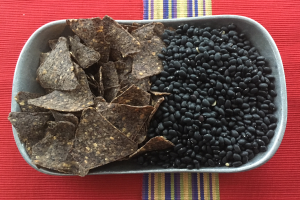
Dry beans, including black beans, are a staple in many Latin American cultures and many cultures around the world. If you have spent any time traveling in Latin America or the Caribbean, you know beans in some form are served at almost every meal. Beans are a great source of inexpensive protein and dry beans store well for a long period of time.


Just as a point of interest, rice and beans and beans and rice are two very different dishes, with the latter being more preferred. Rice and beans are a one pot dish, usually white rice and kidney beans cooked together with onions, garlic, maybe a few other spices and a little coconut oil. Beans and rice, on the other hand, are beans that are slowly stewed with onions, garlic and other spices, maybe even a pork hock for flavor. I like to add cumin, bay leaves and some Marie Sharp’s Habanero Pepper Sauce. This combination creates a delicious sauce to be eaten over a bed of rice.


I have been experimenting with several bean recipes as my son prefers beans to meat and will eat beans and rice every day if I let him. Black beans are by far our household favorite.

Fun facts about black beans

  • Black beans are botanically known as Phaseolus vulgaris.
  • Beans and legumes are the fruits or seeds of a family of plants called Fabaceae (also called Leguminosae).
  • Black beans have several common names including turtle beans, caviar criollo and frijoles negros.
  • These beans were and still are a staple food in the diets of Central and South Americans, dating back at least 7,000 years.
  • Black beans have a satiny black skin (technically dark purple) and a white center.
  • When cooked, the beans have a creamy texture and slightly sweet flavor.
  • Black beans are an excellent low-calorie, low-fat source of energy and fiber.
  • One half-cup serving of black beans gives you 8 grams of protein. Aside from meat products, dry beans are the highest source of protein available.
  • Dry beans have more fiber than any other unprocessed food at 15 grams per cup.
  • One cup of cooked black beans contains less than 1 gram of fat and only 227 calories.
  • Black beans are also a great source of folic acid, magnesium, potassium and iron.
  • Adding black beans to your breakfast food will also help your mood because it helps to stabilize your blood sugar. This means that including beans in your breakfast or lunch can help prevent that mid-afternoon slump.
  • Michigan is the leading producer of black beans, with 58% of the nation’s total production.
  • Michigan’s Thumb counties, known for its rich farmland, produces more beans than any other place in the state.
  • Huron County is one of the top dry bean-producing counties in the nation.
  • Mexico is Michigan’s largest export market for dry beans, especially black beans.

Recipe for Black Beans and Rice

I was recently at a Cuban restaurant in Key West. They serve black beans and rice called Moros y Cristianos, translated literally to Moors and Christians. It is presumed the dish gets its name from the time when the Moors occupied the Iberian Peninsula. The black beans represent the Moors and the white rice represents the Christians.


This flavorful bean and rice dish, representative of Spanish occupation, is popular in Cuba. Every Cuban cook has their own version of the recipe. I’m not Cuban, but here is my version.

Ingredients

  • ½ pound dry black beans cooked with 6 cups of water for 6 minutes in pressure cooker. One option is to use 3 cups water and 3 cups chicken broth.
  • 1 tablespoon olive oil
  • 1 large onion, chopped
  • 1 large green bell pepper, cut into ½ inch pieces
  • 4 large garlic cloves, chopped (or 1½ teaspoons garlic powder)
  • 1 tablespoon cumin
  • 2 bay leaves
  • 1 tablespoon ketchup or tomato paste
  • 1 tablespoon Marie Sharp’s Habanero Pepper Sauce (now readily available in the U.S.)

Directions

Heat oil in heavy, large saucepan over medium heat. Add onion, bell pepper, garlic and sauté until vegetables begin to soften, about 5 minutes. Add 1 cup of beans to pan. Using back of fork, mash beans coarsely.


In a crock pot, add bean and vegetable mixture along with remaining beans, the water/broth from cooking, cumin, bay leaves, tomato paste and pepper sauce. I leave the cover off or slightly ajar as the beans thicken and flavors blend, stirring occasionally.


Season beans to taste with salt and pepper. Serve over white rice and enjoy.


Enjoy.


Black beans and the science behind them

Michigan is the nation’s second largest producer of all dry beans, and first in the production of black beans. READ MORE


This article was published by Michigan State University Extension. For more information, visit https://extension.msu.edu. To have a digest of information delivered straight to your email inbox, visit https://extension.msu.edu/newsletters. To contact an expert in your area, visit https://extension.msu.edu/experts, or call 888-MSUE4MI (888-678-3464).


Low-fat diet—a tool in breast cancer fight?

Researchers found that women following a low-fat diet reduced their overall calories, changed their cooking methods and reduced portion sizes of meat and dairy products. (Courtesy Spectrum Health Beat)

By Serena Gordon, HealthDay


Health experts have long touted the benefits of a low-fat diet for preventing heart disease, but now a large study suggests it might do the same against breast cancer.


Researchers found that eating low-fat foods reduced a woman’s risk of dying from breast cancer by 21%. What’s more, the women on low-fat diets also cut their risk of dying from any cause by 15%.


“This is the only study providing randomized controlled trial evidence that a dietary intervention can reduce women’s risk of death from breast cancer,” said study author Dr. Rowan Chlebowski.


He is from the Los Angeles Biomedical Research Institute at Harbor-UCLA Medical Center in Torrance, Calif.


Diet has long been suspected to be a factor in cancer.


Obesity has been linked to 12 different types of cancers, including postmenopausal breast cancer, according to the American Institute for Cancer Research. And, a diet full of healthy foods, such as vegetables, fruits, whole grains and legumes is thought to help protect against cancer.


Chlebowski noted that previous studies have shown a higher cancer incidence in countries where people tend to eat more fat.


The latest study looked at the effect a low-fat diet might have on the incidence of breast cancer and death.


Nearly 49,000 postmenopausal women from 40 centers across the United States were included in the study. The women were between the ages of 50 and 79 and had no history of previous breast cancer.


Eighty percent of the women were white, which Chlebowski said matched the population when the study began.


Between 1993 and 1998, the women were randomly assigned to one of two dietary groups. One group was assigned to a normal diet. This diet had about 32% of their calories from fat. The low-fat group had a target of 20% or less of calories from fat.


Chlebowski said the low-fat diet was close in content to the Dietary Approaches to Stopping Hypertension diet, or DASH diet. This emphasizes eating vegetables, fruits, legumes and whole grains, while avoiding high-fat meats and dairy products, according to the U.S. National Heart, Lung, and Blood Institute.


The low-fat group lost a modest amount of weight. Chlebowski said there was about a 3% difference in weight between the groups. He said the researchers factored the weight difference into their calculations and that weight alone didn’t affect the risk of death.


Women in the low-fat group adhered to the diet for about 8.5 years and both groups were followed for an average of nearly 20 years.


The women in the low-fat group weren’t able to achieve the 20%-or-less target for fat, but they did manage around 25%, according to the researchers. And they did increase their intake of fruits, vegetables and grains.


“The diet was more moderate than originally planned. But we saw a diet of 25% to 27% fat is largely achievable,” Chlebowski said.


He said the researchers don’t know if any individual components of the diet were more important than others, but they hope further study will tease that out.


In the meantime, Chlebowski said he thinks the message should be one of dietary moderation rather than looking for any one particular food or food group.


He said the women in the low-fat study group reduced their overall calories, changed their cooking methods and reduced their portions of meat and dairy products.


The findings are to be presented soon at the American Society of Clinical Oncology annual meeting in Chicago. Findings presented at meetings are typically viewed as preliminary until they’ve been published in a peer-reviewed journal.


ASCO breast cancer expert Dr. Lidia Schapira, from Stanford University, noted that this study shows “what we put on the plate matters. It’s worth coaching and pushing patients to put more fruits and vegetables on their plates.”


She added that even when women didn’t reach the more stringent dietary fat goal of 20%, they still showed a health advantage from trying to reduce the fat in their diets.


Dr. Monica Bertagnolli, president of ASCO, said these findings were “really, really striking.”


She noted, “This was not an incredibly restrictive diet. People were able to adhere to it pretty well.”


And yet, the incidence of breast cancer went down by 8% in the women on low-fat diets.


“They were getting fewer breast cancers and even when they did get breast cancer, their death rate was reduced,” Bertagnolli said.


Reprinted with permission from Spectrum Health Beat.


Dates—nature’s sweetness

Dates are a great way to add sweetness to a recipe—without adding refined sugars. (Courtesy Spectrum Health Beat)

By Alyssa Allen, Spectrum Health Beat


Craving something sweet? It may be tempting to gobble up old favorites like candy, chocolate, cookies and cupcakes.


But where does that get you? Lots of calories. Refined sugar. Virtually no nutritional value.


As an alternative, it may be time for you to consider one of nature’s sweet treats: dates.


Along with its caramel-like sweetness, this delectable fruit delivers a healthy dose of antioxidants, fiber, potassium, magnesium, vitamin B6, plant-based iron and an array of other vitamins and minerals.


And it’s hard to go wrong with a natural food.


“There are a multitude of naturally delicious fresh and dried fruits, such as dates, that provide sweetness with fiber, lowering the glycemic load impact,” Spectrum Health dietitian Caren Dobreff said.


Dates vary by size and weight, so the nutrient information can vary widely. Larger dates can weigh up to 24 grams—and pack about half a gram of protein and just under 1.6 grams of fiber. Smaller dates can weigh about 8 grams and provide 6 grams of carbohydrate, 5 grams of natural sugars and less than 1 gram of fiber.


Dobreff said those smaller dates may be a better fit for those needing to watch their daily total sugar intake, even if it is natural sugar.

Courtesy Spectrum Health Beat


Dates work as a sweet treat on their own, but there are many ways to incorporate them into your cooking and baking, Dobreff said.


It’s one of the tricks she teaches in the Spectrum Health Culinary Medicine program.


“We take a recipe and we give it some interest and a little bit of sweetness, but not off the charts,” she said.


Eliminating refined sugars and replacing them with natural sugar, as found in dates, can help you recalibrate your taste buds to what nature intended for sweetness.


“I want people to have a real idea of what sweet is supposed to taste like,” Dobreff said. “All the added sugars, syrups and artificial sweeteners have given us an unrealistic idea of what sweet is supposed to be like.”


When using dates, Dobreff recommends using the whole date as opposed to products such as date sugar, which is made from dehydrated dates ground into a granulated sugar, or date syrup, which is made by boiling the dates and reducing the liquid to a honey-like consistency.


“The whole food is going to have higher fiber content, which is incredibly important when it comes to regulating your blood sugar level,” Dobreff said. “Added sugars and syrups have virtually no fiber, which has a stronger impact on our blood glucose level.


“And, as we all know, what goes up must come down—and then we have a sugar crash.”


Here are Dobreff’s tips for incorporating dates into your diet:

  1. Use them in baking to replace chocolate chips or candies. If you’re making homemade protein bars or energy bites, add dates for something different.
  2. Add dates to a leafy green salad or to a whole grain salad, such as farro or quinoa.
  3. For a finger-food snack, cut the date open butterfly-style and put peanut butter or almond butter inside. Kids love this one.
  4. Chop them and add them to roasted vegetables such as Brussels sprouts, tossed in balsamic vinegar. “It makes for a wonderful, healthy comfort food,” Dobreff said.
  5. Instead of raisins, add chopped dates to your hot cereal or oatmeal. Go a step further and add apples and cinnamon.
  6. Try these recipes from Spectrum Health’s culinary medicine classes: coconut pecan date rolls and roasted cauliflower salad with dates and golden raisins.
Courtesy Spectrum Health Beat

When shopping in the grocery store, you’ll find dates in the baking or produce section near the dried fruits and nuts. They’re usually offered as organic, too, if you desire.


Remember to remove the pits when you prepare them, Dobreff said.


Dates are a great way we can add nature’s sweetness to our cooking, all while avoiding refined sugars.


“I am hoping that people will think more about, ‘How can I make this dish taste good and use more of a whole food natural ingredient?’” Dobreff said.


Reprinted with permission from Spectrum Health Beat.


Sweet tooth? It grows from the get-go

In studies, about 98% of toddlers had added sugar in their daily diet. (Courtesy Spectrum Health Beat)

By Robert Preidt, HealthDay


Bad eating habits begin at a young age in American children, a new study finds.


Researchers analyzed data from more than 1,200 babies (aged 6 to 11 months) and toddlers (12 to 23 months) between 2011 and 2016.


They found that 61% of babies and 98% of toddlers consumed added sugars in their typical daily diet, mainly in flavored yogurt and fruit drinks.


Infants consumed about 1 teaspoon of added sugars daily (about 2% of their daily calorie intake) and toddlers consumed about 6 teaspoons (about 8% of their daily calories).


The main sources of added sugar for infants were yogurt, snacks and sweet bakery products. For toddlers, the top sources were fruit drinks, sweet baked products and candy.


Asian toddlers consumed the fewest added sugars (3.7 teaspoons) and blacks the most (8.2 teaspoons).


The study was published online recently in the Journal of the Academy of Nutrition and Dietetics.


“This has important public health implications since previous research has shown that eating patterns established early in life shape later eating patterns,” lead investigator Kirsten Herrick said in a journal news release. She’s a researcher with the Division of Health and Nutrition Examination Surveys at the U.S. Centers for Disease Control and Prevention.


The findings did bring some good news: The percentage of babies and toddlers whose daily diets include added sugars declined, as did the amounts they consumed.


But consumption of added sugars remains high among young children.


Herrick noted that a previous study found that 6-year-olds who had consumed any sugar-sweetened drink before their first birthday were more than twice as likely to drink such beverages every day than those who had not.


“Previous research into the diets of children over 2 years old associated sugar consumption with the development of cavities, asthma, obesity, elevated blood pressure and altered lipid profiles,” Herrick said.


Only one U.S. health organization—the American Heart Association—offers guidelines on sugar consumption for children under age 2, researchers noted.


“Our study’s findings about infant and toddler diets should raise awareness among health organizations and practitioners and inform future guidelines and recommendations,” Herrick said.


She advised parents to be cautious about added sugars in the foods they give babies when weaning them.


Parents should talk to a health care provider about which solid foods to introduce, and check the nutrition information on food labels.


Reprinted with permission from Spectrum Health Beat.


Can food timing prevent diabetes?

Putting off meals for an extended period of time can lead some to over-indulge when it comes time to eat. (Courtesy Spectrum Health Beat)

By Sarah Mahoney, Spectrum Health Beat


Intermittent fasting—the fancy term for going up to 14 or 16 hours without eating anything—is all the rage these days.


Dietitians and their celebrity clients are touting it as the latest and greatest weight-loss tool.


And there’s been some promising evidence that the approach may even lower the risk of developing Type 2 diabetes, one of the most serious chronic illnesses in the world.


Researchers who have linked intermittent fasting to improved sensitivity to insulin also recently discovered it might lower pancreatic fat in rats. And that may reduce the odds of developing diabetes.


In a small study of humans with pre-diabetes, participants who ate from the hours of 7 a.m. to 3 p.m. saw significant improvements in their insulin sensitivity and blood pressure.


But don’t approach intermittent fasting without some measure of caution.


Kristi Veltkamp, MS, RD, outpatient dietitian at Spectrum Health Blodgett Hospital, said it makes sense to take intermittent fasting with a healthy sprinkling of skepticism, especially when it comes to its relationship to diabetes prevention.


“Some people do lose weight when they try this style of eating,” she said. “And the No. 1 way we know to prevent diabetes is by losing weight.”


Even shedding as little as 5 to 10% of your body weight can reduce the risk of diabetes by 58%.


“So this type of eating may be helpful because people are losing weight,” she said. “But that doesn’t mean intermittent fasting gets the credit. From that perspective, any weight-loss method can be said to lower diabetes risk.”


The strict timing of meals can have a significant downside for some people.


“Often, they get so hungry that they overeat during their eight-hour window, sometimes making poor food choices,” Veltkamp said.


For others, it’s just not convenient, especially if they are trying to eat meals as a family.


Most people consume the last meal of the day in the evening, not by 3 p.m.


“By all means, experiment,” she said. “For example, often people are surprised to discover that they feel better eating breakfast later in the day.”


But until more conclusive data emerges, pay close attention to the guidelines already proven to prevent diabetes.

5 proven ways to keep diabetes at bay:

1. Eat the Mediterranean way

If you haven’t already experimented with a Mediterranean diet, now’s the time. Eating meals with plenty of fish, vegetables, whole grains and olive oil has been linked to an 83% lower chance of developing diabetes.

2. Nix the nighttime snacks

Even if you never try intermittent fasting, those evening snacks—often scarfed down in front of the TV—can sabotage any healthy diet. Once you’ve left the dinner table, try to stop eating for the evening.

3. Pay attention to protein

Veltkamp recommends including some protein in every meal and snack. This includes dairy, nuts or cheese. “It keeps people full longer and helps with cravings,” she said.

4. Quit bashing carbs

While processed foods, soft drinks and white sugar cause rapid ups and downs in glucose levels, Veltkamp worries that too many people vilify all carbohydrates.


Whole grains and fruits are a healthy part of every diet, she said.


“Sugar isn’t all bad,” Veltkamp said. “I’ve yet to have to tell a patient that they’re eating too many apples.”

5. Strive for flexibility

Finally, when you’re looking for a lifetime approach to healthy eating, it’s smart to be gentle with yourself.


While all-or-nothing diets may be the craze—from the Keto plan to Whole 30—she advocates a much more forgiving approach, with an 80/20 rule.


Strive for solid, sensible meals 80% of the time, then relax with the remaining 20% of meals.


Reprinted with permission from Spectrum Health Beat.


Bello Spark’s Americana/rock fusion leads off Kentwood’s winter concert series Jan. 16

Bello Spark a tight, often stripped down band that focus on vocals — as their bandstand often reveals. (Supplied by the band)

By WKTV Staff
ken@wktv.org

Scouring the web for info on Grand Rapids’ own Bello Spark, you run across a bit on their Facebook page that states the band “uses a blend of male and female vocals, acoustic guitars and atmospheric electric guitars creating a light rock/Americana sound. Think Death Cab for Cutie meets The Civil Wars.”

They had me at Death Cab.

The band will lead off the City of Kentwood’s 2020 Winter Concert Series of three free concerts on select Thursday nights once a month from January to March at the Kent District Library’s Kentwood (Richard L. Root) Branch. WKTV Community Media will also record the concerts and will make them available on-demand.

Belo Spark (Supplied by the band)

Bello Spark’s band members include Rob Jordan on vocals and guitar, Tory Peterson on lead guitar and vocals, singer/songwriter Cole Hansen and drummer Jay Kolk.

According to their official bio, the group came together in 2011 with founders Jordan and Peterson, who toured as a two person group “across the Midwest, and out to the Great Plains, all the while honing their craft.” Together they released the band’s debut album, 2013’s self-titled recording.

After returning to their home state of Michigan, the two joined forces with Hansen and Kolk, and “the resulting sound has been a visceral mix of atmospheric guitar, three-part vocal harmonies, and lyrics that are both uplifting and poignant. Listeners will find the light rock, urban sound laced with the honesty of folk, and the grit and emotion of the blues.”

The band released their sophomore album, Among the Lights in July of 2016, and they are reportedly working on new music for a new release.


The band’s local awards include being an ArtPrize 2016 Song Competition Finalist and a WYCE radio’s 2014 Jammie Award Winner for Listener’s Choice: Best Album by a New Artist.

For more information on Bello Spark, visit their webpage at bellospark.com or their Facebook page here. For a video of their song “Good Things” from Among the Lights visit here.

The series will feature Serita’s Black Rose and Nicholas James Thomasma in upcoming concerts. Food trucks will also be on-site during each concert. Bello Spark will be paired with Patty Matters Food Truck; Serita’s Black Rose, with food truck Grilled Greek, will be Feb. 20; Nicholas James Thomasma, with food from Bobby’s Fusion Grill, March 19.

All concerts will begin at 6:30 p.m. and end at 8 p.m. Concertgoers are welcome to bring their own beer or wine to enjoy.

For more information on this year’s concert series, please visit: kentwood.us/winterconcerts.

Snapshots: New Year, new you news for Wyoming, Kentwood

By WKTV Staff

ken@wktv.org

Quote of the Day

“It’s never too early or too late to work towards being the healthiest you.”

Anonymous

Seeing 2020 (health) in 2020

The quest for health and fitness can be a difficult challenge with the hectic pace of busy schedules and the bustle of the holidays. But January is a great time to start by making a resolution to strive for health.. Go here for the story.


Eating is part of healthy living

A typical workout doesn’t give you license to eat whatever you want. Even a full hour of vigorous skiing burns just 600 calories — less than the amount in a super-sized fast food sandwich. Go here for the story.


Healthy questions to ask the Doc

Even if your yearly physical isn’t scheduled for several months, there are questions you should ask your doctor, physician assistant, or nurse practitioner during your appointment. Go here for the story.


Fun fact:

Be an ‘8 percenter’!

Less than 8 percent of people actually stick to their resolutions each year, according to some estimates, but whether you want to lose weight, get organized, or achieve anything else in 2020, it’s all about sticking to your goals. Source.

Exercise isn’t an excuse to pig-out

You need little more than a sensible portion of healthy carbs and protein before and after your workout. (Courtesy Spectrum Health Beat)

By Len Canter, HealthDay


A typical workout doesn’t give you license to eat whatever you want.


Even a full hour of vigorous skiing burns just 600 calories—less than the amount in a super-sized fast food sandwich. That’s why it’s important to think of exercise as just one part of a shape-up plan.


Exercise works the cardiovascular system and builds muscle, but it takes calorie restriction to also lose weight. Small diet tweaks that you can make when you’re building a healthier body through exercise will maximize your efforts.


Here’s what you need to know about nutrition when you work out regularly.


You don’t need to fuel up like a marathon runner, but give your body some nourishment about two hours before every workout to make exercise more effective. Have a small meal with healthy carbs and protein and some fat. If eating two hours in advance doesn’t work with your schedule, aim for a small snack about an hour before your workout.


It’s also important to eat a small meal with carbs and protein within two hours after your workout to give your body the nutrients it needs.


Keep in mind that “calories in and calories out” is a balancing act that varies from person to person.


So whether you’re trying to lose weight or maintain, keep a journal that records the amount of calories you get from food as well as the amount of calories burned off during workouts to see if your intake needs to be adjusted up or down.


Beware of so-called training supplements. These products aren’t regulated and their claims may not have any science behind them.


If you’re getting a good amount of whole foods in your diet—that is, unprocessed and unpackaged foods—you shouldn’t need any of these aids.


Finally, it can’t be stated often enough: Drink water as needed before, during and after exercise to stay hydrated, especially in hot and humid conditions.


Reprinted with permission from Spectrum Health Beat.

A soda-stroke link?

Research has uncovered an association between soda consumption and stroke risk, particularly among older women. (Courtesy Spectrum Health Beat)

By Alan Mozes, HealthDay


Older women, beware: New research warns that drinking a lot of diet sodas or artificially sweetened fruit juices may increase your risk for stroke.


In a study that tracked nearly 82,000 postmenopausal women, those who drank two or more diet drinks per day saw their overall stroke risk rise by 23 percent, compared with those who consumed diet drinks less than once a week.


Blocked arteries were often the main culprit, with heavy diet drink consumption linked to a 31 percent greater risk for an ischemic stroke, which is triggered by a clot, the study findings showed.


Study author Yasmin Mossavar-Rahmani acknowledged that an “association does not imply causation.” But she stressed that the findings held up even after taking into account the nutritional value of each participant’s overall diet.


So, “we can’t assume these diet drinks are harmless, particularly when consumed at high levels,” Mossavar-Rahmani said.


“The take-home message is that these findings give us pause,” she added. “We need to do more research on why we are seeing these associations. What are the scientific mechanisms? Is there something about the artificial sweeteners, for example, that affect the bacteria in the gut and lead to health issues?”


Mossavar-Rahmani is an associate professor in the department of epidemiology and population health’s division of health promotion and nutrition research at Albert Einstein College of Medicine, in New York City.


The study authors pointed out that the American Heart Association has recently underscored the lack of sufficient research into the cardiovascular impact of diet sodas. Until more work is done, the AHA says the jury remains out on whether artificially sweetened beverages do or do not hasten heart disease.


Women in the latest study were between 50 and 79 when they first enrolled in the Women’s Health Initiative trial between 1993 and 1998.


Investigators tracked the general health of all the enrollees for an average of nearly 12 years. During that time—at the three-year mark—all the women were asked to indicate how frequently they consumed diet sodas and diet fruit drinks over a three-month period.


The researchers did not take note of which brands of artificially sweetened drinks the women drank and so did not know which artificial sweeteners were being consumed.


That said, nearly two-thirds of the women consumed diet sodas or drinks very infrequently, meaning less than once a week or never. Only about 5 percent were found to be “heavy” consumers of artificially sweetened drinks.


After taking into consideration a variety of stroke risk factors—including blood pressure status, smoking history and age—the study team concluded that heavy consumption of diet drinks did appear to be tied to cardiovascular risks in a number of ways.


For example, those women who drank two or more diet beverages a day saw their overall risk for developing heart disease increase by 29 percent. They were also 16 percent more likely to die prematurely from any cause.


Certain groups fared even worse: Among obese women and black women with no history of heart disease or diabetes, a diet drink habit pushed clot-driven stroke risk up by roughly twofold and fourfold, respectively, the researchers reported.


Whether or not the findings would apply to either men or younger women remains unclear, the study authors noted.


The findings were published online recently in the journal Stroke.


Lona Sandon is program director of the department of clinical nutrition at the University of Texas Southwestern Medical Center in Dallas.


She agreed that more research is needed to further explore a possible diet drink-heart disease connection. But for now Sandon offered simple advice: diet or regular, sodas offer no nutritional value other than calories.


“If they replace other drinks, such as milk and 100 percent fruit or vegetable drinks, then these women miss out on valuable nutrition for protecting the heart and vascular system,” Sandon warned.


“The nutrition you are missing because you are drinking artificially sweetened beverages instead may be the real problem,” she said.


A group representing the artificial sweetener industry offered another caveat about the findings — that many women who drink diet drinks are already struggling with weight issues.


“It is likely study subjects were already at a greater health risk and chose low-calorie sweetened beverages to manage their calorie and sugar intake as these products are proven safe and beneficial for those managing their weight and blood glucose levels,” said Robert Rankin, president of the Calorie Control Council.


“The contribution of reverse causality, meaning that individuals already at a greater risk of stroke and cardiovascular events chose low-calorie sweetened beverages, is very likely the cause of the associations presented by these researchers,” the council added in a statement.


Reprinted with permission from Spectrum Health Beat.

Artificially sweet? A genuine problem

Studies have found associations between artificially sweetened beverages and increased risk of stroke and heart disease. (Courtesy Spectrum Health Beat)

By Len Canter, HealthDay


The health risks of sugary drinks, from juice to soda, are well known.


They can lead to overweight and diabetes, stroke and other problems in the brain, including poorer memory and smaller brain volume.


But diet sodas aren’t the answer.


A number of studies have found an association between artificially sweetened beverages and an increased risk of stroke, heart disease, heart attack and other heart-related deaths in women.


The most recent was published earlier this year in the journal Stroke, with researchers suggesting that, even without identifying a specific cause and effect, people should seriously consider the potentially harmful effects of artificially sweetened drinks.


And there’s more.


Researchers at the Boston University School of Medicine followed 4,000 people of both sexes over 10 years.


Using MRI tests, they linked just one artificially sweetened soda a day to brain changes that can lead to dementia, as well as the type of stroke caused by a blockage in a blood vessel.


These risks were triple those of people who don’t drink diet sodas.


It didn’t seem to matter which common artificial sweetener—saccharin, aspartame or sucralose—was consumed.


While some people see diet soda as a way of weaning off regular soda, it may be healthier in the long run to skip this type of transition.


If you like soda’s carbonation more than the better option of water, flavor plain seltzer with a squeeze of your favorite citrus fruit, a few crushed berries or both.


For variety, try freshly grated ginger, chopped mint or a teaspoon of vanilla. Also consider replacing soda with a glass of milk—you’ll get important protein and a shot of calcium in the bargain.


Reprinted with permission from Spectrum Health Beat.


Tips for healthy eating over the holidays

Courtesy Vista Springs Assisted Living

By Vista Springs Assisted Living


The holidays are notorious for overindulgence, whether it’s from eating too much at the family dinner table or from having too much rich and sugary food that isn’t healthy for us. But what can you do over the holidays to avoid packing on the pounds when healthy options aren’t as readily available?


Thankfully, there are plenty of tips and tricks you can use to avoid overeating and making poor health choices during big family feasts, while still enjoying your favorite foods. Take a look through this list of helpful ideas that you can use to make better decisions this holiday season, and celebrate without the stomachache. 

1. Watch what you drink

The beverages we consume during the holidays is an often unexpected source of carbs and calories. Sweet drinks and alcohol can have unhealthy ingredients, and when we don’t stop to consider what we are drinking, we can find ourselves shaking our heads in shock at the scale next year. 


To help avoid overindulging with unhealthy drinks, make sure you are consuming plenty of water throughout the day. Not only will this help you quench your thirst, but drinking a glass of water before a meal can also help you feel full and calm your cravings before dessert is brought out.

2. Stop snacking

Eating healthy, full meals is the best way to avoid gaining weight over the holidays, so don’t skip out on breakfast and lunch in favor of unhealthy snacks! Not only are snacks typically high in fats and sugar, but they fill us up before we have a chance to eat our veggies during dinner.


If you are going to snack, try going to healthier foods like cut vegetables, fruits, or other foods that provide additional health benefits like boosting energy levels and building endurance.

3. Stay active

Staying active in winter isn’t always the easiest task, but it’s important to do what you can to combat additional calories with exercise. Even something as simple as taking a walk after your meal can go a long way in keeping your overall health in check over the holiday season. Just be sure to watch out for ice!

4. Find healthy options

Make sure that there are plenty of healthy options on the table, like salads and other vegetable side dishes. If you are hosting dinner, ensure that you provide the options your family and friends need to have a balanced meal. If you are visiting someone else, call ahead and see what the menu is, or offer to help out the host by bringing your own healthy dishes to share.

5. Fill up on vegetables

When filling up your plate with food, try and keep a ratio of 50% vegetables, 25% meats, and 25% starches. This will help you get the servings of veggies you need while still enjoying the other items on the table. A helpful hint: more color on a plate often means a healthier meal!

6. Pick the best spot

Having the best seat at the table doesn’t just mean more elbow room! If you aren’t seated right in front of the buffet table, you can avoid some of the cravings for second and third (and fourth) helpings. Staring at the available options during dinner can make it difficult to stick to one serving, so don’t sit yourself in the way of temptation!

7. Take your time

Don’t rush to stuff yourself just because holiday food tastes good! Things will be just as delicious if you take your time and savor each bite. Slowing down while eating helps you to fill up naturally, rather than still feeling hungry even though you’ve already overeaten. 


In the same vein, don’t rush to get up and have additional helpings of food before you’ve finished the entire plate, including all your veggies and healthier items. This will help you stick to just one serving of each of your favorite foods, which will be more than enough when you take your time enjoying them!

8. Stop when you are full

The biggest favor you can do for yourself this holiday season is to stop eating once you are full. When eating foods we enjoy, most of us want to push ourselves past our limits, which leaves us aching and uncomfortable. By listening to our bodies and putting down the fork once we’ve had enough, we can save ourselves the discomfort and enjoy a much healthier holiday. Remember that leftovers are always an option!


Holidays are always a wonderful time for family and friends to gather together and enjoy each other’s company. As a part of that tradition, we often indulge in delicious meals, but it’s important to keep our health in mind. That doesn’t mean we can’t eat our dinner favorites, but following these tips can help us avoid feeling too full on unhealthy foods, so we can experience the absolute best that the holiday season has to offer.


Reprinted with permission from Vista Springs Assisted Living.


The burdens of bread

Whole-grain breads provide immunity-boosting nutrients and dietary fiber that can help improve cholesterol levels and lower the risk of heart disease. (Courtesy Spectrum Health Beat)

By American Heart Association, HealthDay


There may be no dietary staple more in need of a public relations makeover than bread.


Concerns over carbs, sodium and gluten sometime overshadow what can be a simple, tasty way to add important vitamins and minerals as well as fiber to daily meals.


But some breads are better for you than others.


Whole-grain breads are good sources of nutrients that help maintain a healthy immune system. They also provide dietary fiber that can help improve cholesterol levels and lower the risk of heart disease, stroke, obesity and Type 2 diabetes.


Refined grains, on the other hand, can lead to a surplus of sugar in the bloodstream, which in turn becomes stored in the body as fat.


And refined-grain breads—which have a finer texture and a longer shelf life than whole-grain breads, but lack most of the nutrients—turn up often in everyday foods. White bread is an obvious example, but French bread, bagels and pizza crust commonly contain refined grains as well.


White bread “looks pretty much like plain sugar, really, just simple carbohydrates,” said Marie-Pierre St-Onge, an associate professor of nutritional medicine at Columbia University in New York. “Not the complex carbohydrates that we find in whole grains.”


Fad diets may warn against bread’s calories and carbohydrates, but both are necessary components of a daily diet. Complex carbohydrates provide energy for longer periods of time than simple carbohydrates, like those found in white bread.


“I always find it comical when I see low-carbohydrate bread, because you know, it’s all carbohydrates,” St-Onge said. “If there are concerns about bread, it’s probably more about what you put between those two slices than the slices themselves.”


A slice of whole-grain wheat bread typically contains 70 calories, compared with 77 calories in a slice of white bread. Whole-grain bread has more dietary fiber than white bread (2 grams compared to 0.8 grams) and white bread has 1.64 grams of sugar while whole-grain bread has none.


Whole-grain bread can come in a variety of forms, with a variety of other healthy ingredients.


“You can be very creative with the types of bread that you consume,” St-Onge said. “Having different breads that are whole grain can be a way to make your sandwiches more interesting. You can include flaxseed, rye, oats, walnuts, hazelnuts. Those are good for your heart.”


Whole grains are typically low in sodium, but salt may be added during processing of certain types of bread.


“Bread must have sodium. It needs it,” St-Onge said. “You have to stop the yeast at some point, and you need to have salt to do that for preservation purposes. But I would not consider that to be a reason not to consume bread.”


Bread also contains gluten, a protein that is found in wheat, barley and rye. People who have celiac disease are unable to tolerate gluten and others may have a sensitivity to gluten that causes symptoms such as nausea or abdominal pain.


Gluten-free bread may be an option, St-Onge said, but only if it is truly necessary.


“The gluten craze is something to be wary about,” she said. “Baked gluten-free foods often do not have optimal nutrient value.”


The safest way to make sure your bread is healthy, St-Onge said, is to make it yourself.


“It’s easy; you can use a bread machine or a no-knead recipe where you don’t even have to knead it,” she said. “You can control the flour that you put in. There are no additives.”


Some people trying to limit the carbs and calories of bread may opt for tortillas or lettuce wraps, St-Onge said, but there are dietary implications to be considered.


“A leaf of lettuce will have a couple of calories, where a slice of bread will have 100-something calories. But will you have the same amount of vitamins and minerals in a leaf of lettuce that you will get in a slice of bread? No,” she said.


“Have your regular sandwich and add in leaves of lettuce. Make it crunchy. Make it fresh. And then your sandwich is heftier, it’s bulkier, it’s bigger. It’s more satisfying.”


Reprinted with permission from Spectrum Health Beat.

Foodie, know thy oil


Canola, grapeseed and safflower oils are suitable for high-temperature cooking because they have a high smoke point. Olive oil and avocado oil are better for sauteing at medium heat. (Courtesy Spectrum Health Beat)

By Len Canter, HealthDay


Oils are one of the most widely used ingredients in cooking and are healthy alternatives to butter and margarine.


All cooking oils, including olive, canola and peanut oil, contain 14 grams of total fat per tablespoon and roughly 120 calories.


So measure amounts carefully because even though some fat is essential for good health and these are excellent choices, they’re still high in calories.


For high-temperature cooking like stir-fries or when searing meat, use high smoke-point oils like canola, grapeseed and safflower oils. For sauteeing vegetables at medium heat, use extra virgin olive oil or avocado oil, which has gotten popular in recent years.


Since baking uses gentle heat, you can go with any oil you like. For cake and brownie recipes, try replacing butter with light olive oil, which has much less saturated fat but is still light in flavor.


Though all oils are great for salad dressings, try aromatic nut oils, like walnut oil or hazelnut oil, and seed oils, such as pumpkin seed oil and flaxseed oil, for a flavor twist. Keep them refrigerated to prevent them from going rancid—they’re very delicate.


Let them come to room temperature if they thicken in the fridge.


Here’s an easy dressing recipe that you can use on any side salad or over cold, chopped vegetables. It works especially well on peppery-flavored watercress.


Watercress Salad

  • 2 tablespoons walnut oil
  • 1 teaspoon Dijon mustard
  • 1/4 teaspoon garlic salt
  • 1 tablespoon balsamic vinegar
  • 8 ounces watercress
  • 16 walnut halves, coarsely chopped

Whisk oil, mustard and garlic salt in a large bowl. Add the vinegar and whisk again. Add the watercress and toss well. Divide among four plates and top with equal amounts of chopped nuts.


Yield: 4 servings


Reprinted with permission from Spectrum Health Beat.

Fibromyalgia origin: Insulin resistance?

Studies have shown differences in the brains of fibromyalgia sufferers, sometimes with areas of lower blood flow than expected. Similar problems have been seen in people with diabetes. (Courtesy Spectrum Health Beat)

By Serena Gordon, HealthDay


Fibromyalgia is a mysterious and misunderstood illness, but researchers may have uncovered at least one key to the disease’s origin: insulin resistance.


The new research compared a small group of people with fibromyalgia to two groups of healthy people and noted that a long-term measure of blood sugar levels was higher in the people with fibromyalgia.


Insulin resistance develops when the body starts to struggle with breaking down sugar.


To see if treating those higher blood sugar levels might help, the researchers gave people who had blood sugar levels in the pre-diabetic range or higher a diabetes medication called metformin.


People taking metformin reported significantly lower pain scores, according to the study.


“We combined metformin with standard drugs used for fibromyalgia and saw a much greater degree of pain relief,” said study author Dr. Miguel Pappolla. He is a professor of neurology at the University of Texas Medical Branch at Galveston.


In fact, Pappolla said, the additional pain relief was so significant that the researchers actually called patients on different days to re-check their pain scores.


Because this is a preliminary finding, the researchers aren’t sure how insulin resistance might contribute to fibromyalgia or how metformin might reduce pain. “Metformin may have some analgesic (pain-relieving) activity on its own,” Pappolla said.


Fibromyalgia is a condition that causes widespread pain, fatigue, sleep problems and distress, according to the U.S. Centers for Disease Control and Prevention.


Even celebrities aren’t spared from this painful condition—Lady Gaga reportedly had to cancel concerts on her tour due to pain from fibromyalgia.


Though the cause of the disorder isn’t clear, it appears that people with fibromyalgia may be more sensitive to pain than other people—what the CDC calls abnormal pain processing.


Pappolla said that studies have shown differences in the brain between people with fibromyalgia and those without, such as areas with a lower blood flow than expected.


The researchers noted that similar problems have been seen in people with diabetes.


The study included 23 people with fibromyalgia.


The researchers compared their hemoglobin A1c levels to large groups of healthy people from two other studies.


Hemoglobin A1c is a simple blood test that measures what someone’s blood sugar levels were during the past two or three months. A level of 5.7% to 6.4% is considered pre-diabetes, according to the American Diabetes Association. A level of 6.5% or higher means a person has diabetes.


Only six of those with fibromyalgia had normal blood sugar levels. Sixteen had levels considered pre-diabetes and one met the criteria for diabetes.


When the researchers compared the average blood sugar levels of the fibromyalgia group to healthy age-matched people in the other studies, they saw that the blood sugar levels were higher in the people with fibromyalgia, suggesting insulin resistance.


The findings were published online recently in the journal PLOS ONE.


Dr. Edward Rubin, an anesthesiologist and pain management specialist at Long Island Jewish Medical Center, said, “It’s interesting that there’s a possible connection between fibromyalgia and blood sugar. We’ve been attacking the symptoms of fibromyalgia, but we don’t have a good understanding of the root cause of fibromyalgia.”


Rubin, who wasn’t involved in the study, said there may be enough evidence here to try metformin along with other medications used for fibromyalgia for people whose blood sugar levels fall outside of the normal range, to see if they have a positive response.


Dr. Bharat Kumar, from the University of Iowa Hospitals and Clinics, said this study shows people with the disease that there is hope.


“People with fibromyalgia are often told (falsely) that they have a disease that simply cannot be managed. This article shows that it’s not true. Although it’s unclear if metformin will work for every person suffering from fibromyalgia, there is active research into finding solutions for this frustrating and overlooked condition,” he said.


Kumar said it’s biologically plausible that insulin could have an effect on pain.


“We know that other hormone abnormalities can cause fibromyalgia-like symptoms, so (this finding) is not too surprising,” he added.


Still, he said, he didn’t expect that metformin would be a “silver bullet” for all fibromyalgia pain. He said there are likely a number of causes of the disease.


Reprinted with permission from Spectrum Health Beat.


Red wine—a microbiome fertilizer?

As little as one glass of red wine each week could enrich the good bacteria in your stomach, according to researchers. (Courtesy Spectrum Health Beat)

By Steven Reinberg, HealthDay


A little pinot noir now and then might help keep the bacteria in your tummy healthy and happy.


As little as one glass of red wine a week can increase the diversity of the good bacteria in your microbiome, which can help lower bad cholesterol and keep your weight down, researchers say.


“The more people drink, the higher the diversity. But even small amounts, such as one glass of red wine every week, shows a benefit,” said study first author Caroline Le Roy. She’s a research associate in the department of twin research and genetic epidemiology at King’s College London.


Le Roy cautioned that while the findings in the study were robust, they can’t prove that red wine improves the microbiome, only that the two are associated.


It’s not the alcohol that has this effect, but rather the polyphenols in red wine. Polyphenols help feed the good bacteria in the microbiome, the researchers explained.


Polyphenols are also found in fruits and vegetables, and include antioxidants.


For the study, Le Roy and her colleagues looked at the effect of beer, cider, red wine, white wine and whiskey on the gut microbiome of 916 female twins.


Only red wine resulted in a more diverse microbiome, the investigators found.


The microbiome is a collection of bacteria in the gut that has an important role in health. A healthy microbiome helps digest food and keeps some diseases at bay.


An unhealthy microbiome can lead to poor functioning of the immune system, weight gain and high cholesterol, Le Roy said.


A microbiome with lots of different bacteria is a healthy microbiome, she added.


Le Roy’s team found that red wine improved the number of different bacteria in the microbiome, compared with those who didn’t drink wine.


The researchers were able to confirm their findings in three other groups in Britain, the Netherlands and the United States, which brought the total number of participants to nearly 3,000.


Moreover, the results remained constant even after accounting for factors such as diet, socioeconomic status and age.


Samantha Heller, a senior clinical nutritionist at NYU Langone Medical Center in New York City, thinks that drinking red wine may be a marker of a healthy lifestyle, so the health benefits may be due to other factors.


“Do they, in general, lead healthier lives, such as not smoking, eating more of a plant-based diet and exercising?” she asked.


Wine comes from grapes, which like a lot of plant foods, are rich in polyphenols, Heller said.


But polyphenols are also found in vegetables, fruits, grains, nuts, legumes and teas that don’t contain alcohol, she noted.


“In addition, plants are our only source of dietary fiber, which is the favorite food for the microbes that live in our gut. When they are healthy, they help keep our bodies healthy,” Heller said.


While drinking small amounts of red wine has apparent health benefits, there are also unhealthy effects of drinking too much, such as liver disease, certain cancers, pancreatitis and a depressed immune system, she said.


“Guzzling red wine, or any alcoholic beverage, is not the miracle we have been led to believe,” Heller said.


For those who drink, the American Heart Association recommends an average of one to two drinks per day for men, and one drink per day for women (one 12-ounce beer, 4 ounces of wine, 1 ounce of 100 proof spirits).


“Let’s be honest, most of us probably drink more than that. If you do not drink alcohol, there is no reason to start,” Heller said.


The report was published recently in the journal Gastroenterology.


Reprinted with permission from Spectrum Health Beat.